Marketing and Data Analytics of Starbucks

In this report “Marketing and Data Analytics of Starbucks” we discusss, an inside look into the international coffee giant’s marketing environment and integrated marketing communications strategies will be analyzed.
This report intends to offer an in-depth perspective of how Starbucks Coffee Company, taking advantage of its profound comprehension of consumers’ behavior, technological advancements, and data-derived insights, manages to operate in the complex modern business atmosphere successfully.
Through analyzing the micro and macro-environmental impacts, online and offline marketing integration, and application of data analytics, this paper introduces the Starbuck’s marketing competence and strategic thinking processes. Thus, the report summarizes how the company connects consumers to the market that continually changes.
Read more: Marketing and Data Analytics at Microsoft
Company Profile:
Starbucks Coffee Company , which started brewing coffee in 1971, in Seattle, Washington, USA, is the largest coffeehouse chain in the world that owns over 33,000 stores scattered in 80 different countries. Being a leading name in the coffee world that offers a pleasant atmosphere to its customers and a focus on society and people, Starbucks is now one of the most recognizable brands in the food and beverage industry.
Apart from Starbucks being the biggest name in the market with its annual revenues running to the tune of $26 billion, it is also the very cultural rage and the very passion of life for its millions of fans all over the world. The core of Starbucks’s business operations is located within the consumer discretionary sector, mainly on a wider range of premium coffee, tea, and other beverages as well as a selection of food items and merchandise supplied to the users.
This field involves the businesses to supply non-essential goods and services which often the consumer expenditures linked with economy conditions and discretionary income.
According to the collapse capability Starbucks is nothing more but a crest of excellence. Its extensive brand image, customer’s loyalty to it as well as its new innovative product offers belong to the differentiation zone.
Starbucks Coffee Company now stands for more than just coffee provision but it has created an experience that is much more than drinking coffee by providing great hospitality and engaging communities. That is why Starbucks is able to charge premium prices, and proudly hold a competitive advantage in the market.
In addition to that, Starbucks fully implemented big data and analytics as the backbone of its strategies. Through its highly successful Starbucks Rewards program and mobile app, the firm accumulates a huge amount of customer data, from purchasing history to preferences to behavior patterns.
As a result of this data, Starbucks employees use predictive analytics for marketing purposes, which are further customized for individual customers, to optimize the stores’ layouts, and to create new products per the consumers’ preferences.
Marketing Environment Analysis:
The marketing environment is associated with the outside environment that is responsible for the proper performance of the marketing functions that are aimed at achieving the marketing objectives and serving the target market correctly.
The environment consists of the mix as well as the influences of a macro and micro framework, including the social, economic, technological, political, legal, and competitive factors. Strategic marketing analysis of the marketing environment is a core piece of a business’s decision-making process that helps to reveal the areas of opportunities and risk, to smartly adjust to changes and form solid marketing strategy.
Micro-Environment Analysis:
In this segment, the report investigates the micro aspect of the Starbucks case study and, by using Porter’s Five Forces framework to comprehend the competition levels in the coffee industry.
Porter’s Five Forces Analysis
Porter’s Five Forces model offers a relatively easy approach, giving comprehensive information on the industry competition intensity and attractiveness. Evaluation of the power of buyers and suppliers, threat of new introduction to this market, threat of substitutes to current ones, and competitive rye can help to define strategic opportunities and threats in world of business and market.
Customers:
Consumers serve as the driving force to the company’s operations, placing orders and creating
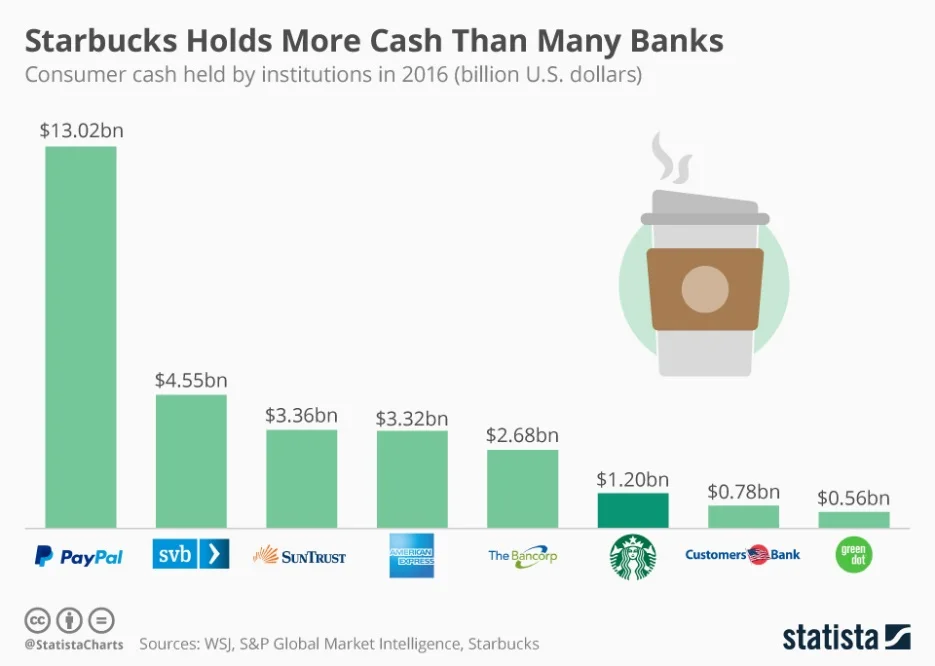
the drawn image of the brand. In the UK, consumers develop a saver taste in premium coffee culture, marking their acceptance of burgeoning coffee culture and enhanced interactions spending. While the quality of the coffee is a major driving force for Starbucks’ success, in addition to this, the company’s ability to cater to consumers diverse tastes and lifestyles, offering the coffee products variety and seasonal offerings, as well as the possibility of personalization of the drinks, put Starbucks on the top of the coffee business worldwide.
Additionally, Starbucks’ loyalty program, Starbucks Rewards, is designed to reinforce repeated purchase and provide opportunities for the customers to retain, which further contributes to an elevated lifetime customer value and revenues generation. Having an edge over competitors in the UK coffee market benefits Starbucks from knowing and adapting to consumer behavior.
Competitors:
Starbucks Coffee Company has to deal with fierce competition, from multinational competitors and local specialty coffee outlets, when it expands the UK market. Economic enterprises which act as competition are Costa Coffee and small cafes respectively.
While Costa Coffee, Coca-Cola Company-owned brand, is a customer contender, it has extended to many stores and created a brand that cannot be overlooked. The core idea of building economy and quality chains attracts the consumers with pricing policies of Dunkin’ Donuts and thus sets a barrier for Starbucks in terms of keeping its premium position.
Furthermore, the horizon-driven penetration activity of Costa Coffee, as well as the alliances signed with retailers and the convenience store chains, present the Starbucks with added competition element. Run by fewer people and more focused on the individual coffee drinker, these smaller cafes have a unique atmosphere and something for the coffee aficionado as well as others that enjoy coffee in their environment.
Suppliers:
The suppliers are working as the driving force in the supply management chain of Starbucks, since they are providing a range of coffee beans, milk and other refrigerated products. The sustainable feature of Starbucks’ supply chain management is the ethics of sourcing and sustainability, which they achieve by forming lasting relationships with their suppliers so as to ensure product quality and reliability.
The brand has engaged in sourcing from certified Fair Trade producers and using sustainable farming practices to avoid supply chain risks and create an enviable brand image. Additionally, this enlightened program of the supplier Diversity Supply of Starbucks helps minorities to create a platform to make partnerships and thus emerge community development and social impact.
Macro-Environmental Analysis:
In this section, social/cultural, legal, economic, political, technological, and sustainability factors will be clearly addressed through the use of the SLEPTS methodology.
Why the SLEPTS approach?
The SLEPTS approach gives entrepreneurs just a succinct way of understanding and participating relating to the external factors that have an effect on business. The multiple sides analysis can help companies find the opportunities and threats generated from societal, legal, economic, political, innovative and socially responsible factors. Thus using this technique takes accuracy into account, since it would be based on well-documented factual evidence and academic research instead of just assumptions or just guesswork.
Social/Cultural:
Social and cultural factors play a very important role in the performance of Starbucks by affecting customer preferences, behaviors, and their perception towards the brand. With coffee culture increasing and the gaining importance of experiential consumption leading to the growth of demand for premium coffee experiences.
Starbucks Coffee Company has harnessed the power of societal trends e.g. the rise of health consciousness by expanding the plant-based milk options and offering healthier options of food. Cultural and social issues greatly influence Starbucks’ performance by affecting customers’ preferences, behaviors, and brand perceptions. Based on a report by Statista, it is expected that the coffee market worldwide will grow at a CAGR of 4%. 22% rise in consumption between 2021 and 2025 which will be driven by rising consumer demand for new premium coffee experiences and specialty coffee beverages.
Starbucks capitalized on social trends like the rise of coffee culture, and the emergence of experiential consumption. The ethical sourcing practice and the community engagement programs which the company considers as social responsibility initiatives persuading the consciousness consumers, building brand loyalty and reputation.
Legal:
Legally, Starbucks’ operating environment is largely shaped by the laws that govern it including regulatory compliance, intellectual property protection, and labor laws. Starbucks, as an operator in diverse jurisdictions with different legal frameworks, has to be very careful about its compliance and risk management.
The legal dimension of Starbucks’ operating environment impacts parameters such as regulatory compliance, intellectual property protection, and labor law, among others. Operating in various legal systems with various rules, Starbucks needs to monitor the compliance and risk with very careful inspection.
The legal compliance costs amounted to $222 million, as reflected in Starbucks’ annual report for the year. 3 million in 2020. Legal considerations of food safety regulations, employment laws, and data privacy laws affect how the company operates and manages supply chain.
Additionally, intellectual property protection is inevitable because it helps to safeguard Starbucks’ brand assets as well as the company’s innovations from infringement and strengthens its competitive advantage and market position.
Economic:
Economic factors such as consumer spending, inflation rates, and the pace of economic growth highly affect the performance and profitability of Starbucks. Consumers’ disposable income and the level of consumer confidence impact the patterns of their spending, which also determines the demand for Starbucks products. Economic factors like consumer spending, inflation percentage, and economic growth have a great influence on Starbucks’ operations and revenue.
As per the financial reports of Starbucks Coffee Company, the company obtained $28. 1 billion in revenue in FY 2020. Volatility in households’ disposable incomes as well as consumer confidence significantly changes end-users’ consumption behavior, reacting to demand for Starbucks’ products. Economic downturns and recessions could lower consumer spending on non-essential items. This might lead to decreased sales and revenue for Starbucks.
Also, foreign exchange rates and global economic conditions may affect Starbucks’ international operations, revenues, and supply chain costs. Through tracking economic indicators, and adjusting its pricing strategies and marketing strategies appropriately, Starbucks can limit the risks and take advantage of the market trends in the rapidly changing economic environments.
Integrated Marketing Communication:
Integrated marketing communication (IMC) is a strategic approach that involves combining the different promotional elements into a sole message that goes directly to the target markets. It encompasses the coordination of advertising, sales promotion, public relations, direct marketing, and digital marketing campaigns toward the attainment of marketing objectives and the building of brand equity.
Marketing Communication Mix:
The DRIP model, which is made of Differentiate, Reinforce, Inform, and Persuade, is a useful model for thinking about and creating marketing communication strategies.
Advertising:
Advertising is a type of paid communication used for promoting products, services or brands in front of a mass audience. Starbucks uses the platforms of television, print media, outdoor billboards, and digital platforms to reach its customers.
For instance, television advertisements of Starbucks highlight the sensory experience while savoring a cup of coffee and also their dedication to quality and sustainability. Through the use of emotional appeal and storytelling, Starbucks strengthens its brand image and values, creating a distinctive position for itself.
Starbucks spent about $224 in 2020 alone and $3 million on advertising and marketing, as per Statista. The channels of advertising used by Starbucks to reach customers include television commercials, print media, outdoor billboards and digital platforms. In order to sell coffee, the company uses mostly emotional advertisements which on television mainly stress a sensory experience and quality standards.
Sales Promotion:
Sales promotions are incentives with a short-term goal to quicken purchases or increase brand loyalty. A famous example of these tactics used by Starbucks is loyalty programs, limited-time offers, or discounts to lure in customers and increase foot traffic in their stores. For example, Starbucks’ Rewards program provides members with unique benefits of getting free drinks and personalized offers to maintain loyalty and boost sales volume.
Through rewards programs for loyal customers and promotional offers, Starbucks successfully incentivizes brand loyalty and participation of customers. In 2009, Starbucks rolled out the Rewards program which now boasts over 19 million active members only in the United States, according to CNBC. Membership rewards like free drinks, birthday perks, and customized offers are available to members, enhancing customer loyalty and subsequently, high repetitive transactions.
Direct and Digital Marketing:
The kind of direct and digital marketing is interpersonal communication with certain consumers or particular market segments through channels like email, social media, mobile apps, and websites. Starbucks utilizes digital marketing channels like Instagram, Facebook, and Twitter to provide interactions, brand stories sharing, and promotion of new products.
By means of personalized email campaigns and mobile notifications, the Starbucks provides its clients with the content and special offers that exactly match their preferences and purchasing history. Combining direct and digital channels, Starbucks boosts customer engagement, triggers brand advocacy, and generates online and offline sales.
The Starbucks app currently has 20 million active users as of 2021 which signifies the success of digital marketing in customer engagement and loyalty creation.
Critical Analysis:
Starbucks’ model of integrated marketing communication which provides alignment and synergy proves to be an effective strategy through advertising, sales promotions, and direct/digital marketing channels. By repeatedly reinforcing its brand identity and values with respect to stories and emotional appeal in the ads, Starbucks differentiates itself in the competitive market while growing brand loyalty.
Also, through the combination of sales promotion tactics, like loyalty programs and limited-term offers, with their advertisement campaigns, the company promotes repeated purchases and store traffic. Moreover, Starbucks’ combining of direct and digital marketing channels for individual messages and communication with customers supports targeted promotions of Starbucks as well as lifts up the level of the overall customer experience.
Integration of Online (Digital) and Offline (Traditional) Media:
Clear and In-Depth Analysis:
Through the combination of digital and traditional marketing channels, Starbucks can influence a wide audience spread across various segments.
Analyzing Marketing Campaign Decisions and Influence of Data Analytics:
Data analytics provides the backbone for Starbucks’ marketing decisions so that the company can identify taste preferences, behavioral patterns, and industry trends. For instance, the mobile app, website, and social media channels of Starbucks are used to collect data from the customers that are then used to personalize marketing communications and modify promotional offers based on individual preferences.
Via data analytics, Starbucks gains knowledge about customers’ demographics, buying habits, and product choices thus allowing the company to improve most of its campaigns on ROI and effectiveness.
Integration Way – Repercussion and Contribution:
Online and offline media channels integration at Starbucks Coffee Company is implemented by means of a unified and comprehensive marketing strategy. The company guarantees uniformity of the messaging, branding, and promotional offers across all contact points such as digital advertising, social media, in-store signage, and mainstream placements.
Through the merging of online and offline channels, Starbucks generates a consistent brand experience for customers and further strengthens brand recognition and customer loyalty across multiple environments. Through integrations, Starbucks can gain many touchpoints with consumers hence driving engagement and conversion both online and offline. Moreover, the rise in brand recognition and recall creates stronger emotional bonds with the clients which results in many years of brand loyalty.
Social Media Metrics Analysis:
Social media metrics, in addition to that, are not only responsible for the evaluation but also for the effectiveness of Starbucks’s integrated marketing efforts. Analytics such as reach, interaction, and conversion rates are compared across various social media networks to understand campaigns’ results. For instance, Starbucks measures metrics such as likes, shares, comments, and click-through-rates on their social media posts to find out how engaged the audience is and what their sentiment is.
The analysis of social media metrics allows Starbucks to obtain essential data on consumers’ preferences, marketing content efficiency, and new campaign performance, letting the company adjust its marketing strategies and reallocate its resources effectively for new campaigns.
What the Analysis Shows the Reader:
An analysis of how Starbucks has leveraged online and offline media as a marketing communication tool reveals that the company aimed at offering a coherent brand experience throughout all marketing channels. By the application of data analytics and social media metrics, Starbucks learns the information about behavior and preferences of the consumers.
This gives the company the chance to refine its marketing activities for the highest influence and return on investment. The blending of online and offline media platforms have a pronounced positive influence on Starbucks’ brand recognition, audience interaction, and consumer loyalty which make the business thrive and succeed on the market.
In brief, Starbucks’ management integrated online and offline channels in an exemplary way by applying the best practices in modern marketing communications and thus demonstrating the significance of a cohesive and data-driven approach for engaging consumers in the digital era.
For example, a customer app, website, and social media channels of Starbucks are applied to collect data which later used to modify promotional offers and marketing communications. This is done based on individual preferences.
Data analytics is the tool that Starbucks uses to know about the purchasing habits of its customers, their age, and what products they buy. This, in turn, enables the company to improve the return on investment of their campaigns as well as their effectiveness.
While integrations help in reaching many touchpoints as well as engagement and conversion, both online and offline. In addition, the integration results in brand recognition and recall, which generate stronger emotional ties with the customers ultimately leading to long-term brand loyalty.
The role of social media metrics is not just to evaluate but also to test the effectiveness of the integrated marketing of Starbucks. Actions like reach, engagement, and conversion rates are measured on different platforms to know campaign performance and ROI. For example, Starbucks measures its metrics like likes, shares, comments, and click-through rates on social media posts to determine the audience engagements and sentiments.
Conclusion: Marketing and Data Analytics of Starbucks
An analysis of Starbucks’ marketing environment and integrated marketing communications reveals a number of important points. The Starbucks Company has proved it skillfulness in adaptation to varying market conditions by using its thorough knowledge of consumers’ behavior and preferences.
The company’s strategy of seamless online and offline media in the mix has enabled it to provide the consumers with a consistent brand experience through various touchpoints. Starbucks has tailored and optimized its marketing campaigns to be more targeted by using relevant data and analytics.
Through the whole Starbucks marketing campaign decisions implementation, we could see the importance of the data-driven approach for tackling the intricacies of the contemporary marketing ecology. At the same time, continuous control and adaptation are the keys for the long-term success in the ever-changing marketplace.