
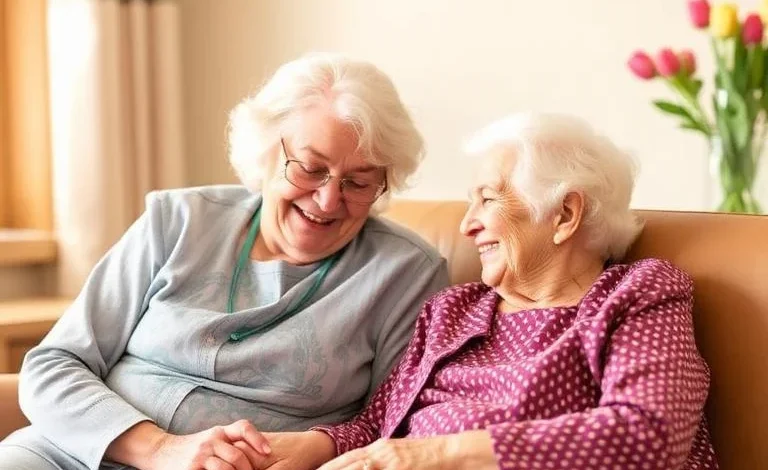
Improving End of Life Care in Care Homes

The report “Improving End of Life Care in Care Homes” aims to highlight Willow Grove Residential Care Home is a healthcare facility dedicated to providing high-quality care to elderly residents. Moreover, recent feedback has highlighted concerns related to the standard of end-of-life care provided to residents.
The families and residents have expressed dissatisfaction in the context of how care does not consistently align with the key preferences of residents and leading to unnecessary readmission from the hospital during the final stages. The report addresses these concerns by offering guidance documents on how to raise end-of-life care in the facility.
The report focuses on best practices in End-Of-Life Care related to the significance of working the other local health or social care services. This report aims to ensure that residents at Willow Grove Residential Care Home receive the most appropriate care that aligns with their wishes or offers comfort and support in the final days.
The report has a clear aim for all the health or social care professionals at Willow Grove Residential Care Home. Moreover, the care plans will be effective for the audience to ensure adherence to residents’ preferences and better practices.
In terms of managers, nurses, caregivers, and any other staff involved in offering end-of-life care. Moreover, it is for external healthcare partners like local hospices, GP practices, and specialists for care. The overall guidance is also related to the families of residents, as they play a vital role in understanding and supporting the process of care.
The main purpose of the report is to offer Evidence-Based Recommendations for improving end-of-life care in quality care homes. The concept seeks to ensure that residents’ personal preferences are respected and met to improve the areas and manage the changes.
The guidance will also support staff in working collaboratively with external healthcare providers and facilities to create a more Cohesive Care Plan that prioritizes the resident’s comfort, dignity, and peace of mind. Moreover, the outlines how to measure the cohesive care plan and conduct the regular quality audits.
1. Background and Stakeholders:
Willow Grove Residential Care Home is a care facility that offers long-term care for Edler residents. All individuals have complex health needs and require assistance with daily life activities like eating, bathing, and mobility. The care needs go beyond physical support as they require help with emotional well-being, Medical Treatments, and end-of-life care. End-of-life care is especially crucial in the care home setting as residents approach the final stages of their lives.
Their care must be handled with compassion, dignity, or respect for the individual’s wishes. Willow Grove Residential Care Home offers detailed commitments to offering higher-quality care, conducts the recent feedback from residents and their families have highlighted that end-of-life care may not always meet personal changes.
The situation has led to dissatisfaction among families or residents related to commitment or individualized care that has not adequately changed. Moreover, the unnecessary changes distress the families and improve end-of-life care as critics issue that needs the proper attention.
1.1.Stakeholders:
Different individuals and groups play a direct role or are affected by the quality of end-of-life care at the organizations. Stakeholders play an integral role in ensuring the care meets the needs of residents and enhances the proper final days.
- The Residents are the most important stakeholders that ensure comfort or dignity as prioritized activities. Each resident has innovative and different preferences based on values and cultural activities. Some may prefer to stay in the care home, surrounded by familiar faces, and wish to make specific choices related to the medical treatments like avoiding certain procedures and opting for pain relief.
- The Families and Loved Ones are deeply affected by the care of relatives as receive in the final stages of life. The brand often services the advocates for the residents to ensure their wishes are followed and provides emotional support during difficult times. Family members may also play a vital role in maintaining the determination of communication and residents’ preferences to staff. Families and loved ones are important stakeholders with the care offered as an essential event of quality care.
- Care Home Staff at Willow Grove Residential Care Home refers the nurses, carers, and managers are responsible for the day-to-day care of residents. These stakeholders are based on the physical, emotional, and psychological support of residents with their families. Staff members must be trained to manage end-of-life care with sensitivity, compassion, and professionalism. The care home staff needs to understand the significance of the changes, and manage access to the right training, and support to provide excellent care.
- GPs- General Practitioners have a vital role in the healthcare of residents at Willow Grove Residential Care Home. These stakeholders are often the first point of contact when the resident’s conditions change and may be responsible for offering medical advice. GPs must ensure the treatment plans as aligned to the resident’s presence especially when it comes to managing pain. They are also involved in making the decisions related to whether the resident should remain in the care home or be transferred to the hospital.
2. Issue/Problem:
The main issue at Willow Grove Residential Care Home is that end-of-life care is not consistently meeting the personal preferences based to residents, which led to dissatisfaction among both residents and families.
The issue is a sentiment because it relates to end-of-life care based on the care aspects of their dignity, comfort, and preferences. Currently, there is a disconnect between the care provided with the specific needs of each resident, which can lead to unnecessary hospital admissions during the final days and cause higher stress for both the residents and facilities. Willow Grove Residential Care Home’ key concern is about care planning.
Many residents have Unique Wishes related the end-of-life care lime preferences for pain management and spending for the final data. The preferences are not consistently identified related to the loss of control for the residents and the family members.
Moreover, hospital admissions at the end of life create distress for residents as taken away from the familiar environment of the care home with the separated from their loved ones. This could be avoided by better planning and ensuring the spending to the final moments in the more peaceful or familiar settings.
3. How the Issue/Problem will be Addressed?
Willow Grove Residential Care Home addresses the issue of unconcise refers to the steps that will be taken to ensure the residents’ personal preferences and offer comfort, dignity, and support. Personalized care plans will involve a collaboration with the resident, the family, and the healthcare team. The plan will include specific wishes related the pain management, the preferred location of the case, and other important forces like spiritual or cultural preferences. This plan will be regularly reviewed or updated to ensure the relevant changes.
Willow Grove Residential Care Home’s Staff Members are related to the nurses, carers, and managers who will receive the training in end-of-life care focusing on best practices for palliative care. The training will also cover the reorganization of the resident’s emotional or psychological needs to ensure they feel supported and respected during the final days.
4. Partnership Working:
Partnership working refers to the various groups or organizations that come together to work and collaborate related to a common goal. Willow Grove Residential Care Home invests the working closely with external healthcare providers like Local Hospitals, GPs, and Palliative Care specialists or families. The sharing of knowledge, expertise, and resources helps to contribute to providing the best possible care for the residents. Partnership working should be used to execute the guidance because it ensures a holistic approach to care.
For Instance, hospices and palliative care specialists have a significant known gel to manage end-of-life symptoms. GPs can collaborate with the professionals and offer guidance on managing the resident’s care preferences as respected.
The teamwork ensures that everyone is involved in the care process and develops a more coordinated approach with the improvement of quality of care and enhance the overall experience for resident and their families. The partnership helps to reduce hospital admissions and raise the experiences for the patients either families or the common residents.
5. Relevant Theory:
The health and social care principles guide the best practices for offering quality care. The persona-centered approach is central to ensuring the care is tailored to the individual needs, preferences, and values of residents The approach offers to represent the dignity of a person and emphasizes autonomy in sensitive areas like end-of-life care.
According to Maslow’s Hierarchy of Needs is another important theory to consider. Residents may be focused on emotional or physiological needs like achieving a sense of peace and self-actualization Maslow highlights that based to a person can achieve peace, manage basic needs, and ensure end-of-life care to address the physical or emotional needs.
The “Care Act 2014” is based on the encouragement of services and offers personalized care or support. The act requires the care homes to assess the individual needs or preferences around end-of-life care. Similarly, the Healthy and Care Act 2022 focuses on raising the integration of services, and ensuring that health and social care providers work together effectively. Incorporation of these principles, policies, and theories refers to the holistic or compassionate with the legally compliant cate during the final days.
6. Evaluation:
I am a manager at Willow Grove Residential Care Home, evaluating the effectiveness of the guidance on raising end-of-life care as crucial to ensure the achievement of intended outcomes. I assess the success of the approach by focusing the several key areas, like resident and family satisfaction, adherence to the care plans, and regular quality audits.
The residents’ and families’ satisfaction is also based on direct ways to evaluate the guidance as working with residents and families. The regular surveys and one-on-one meetings will provide insights into how satisfied they are with care ones. Moreover, the residents can communicate their needs as asked about comfort, emotional support, and concerns related to the proceeding.
Another important aspect to evaluate the how well staff are following the Personalized End-Of-Life Care Plans. The assessment adherence evaluates regularly reviewing care records, checking the staff, and implementing comfort measures with family members. The deviations from the plan will be noted and discussed with the staff to raise future practices.
Quality Audits will look a various aspects of care like symptom management, emotional support, and the involvement of external healthcare providers like GPs and Palliative Care specialists. The training of staff is a key element to raising the success rate.
I will monitor the performance through regulated observations and feedback to identify the additional training or support needed to raise care delivery. I will be able to assess if the guidance is effective in raising the care adjustments.
7. Conclusion and Recommendations:
7.1.Conclusion:
The report addressed the need for raising the end-of-life care at Willow Grove Residential Care Home by ensuring the care aligns with residents’ personal preferences, providing comfort, and reducing unnecessary hospital admissions.
The guidance highlights the importance of creating personalized care plans, offering staff training, and fostering communications with hospitals, GPs, and palliative care specialists. These adjustments will be made as needed to ensure the care provided is in line with the resident’s needs. The continuous evaluation process will help to ensure the best possible care for the residents during the final stages of life.
7.2.Recommendations:
I recommend the following actions to improve future practices based on the project of Willow Grove Residential Care Home.
- Willow Grove Residential Care Home should Enhance Communication with Families. The business develops a more structured approach to involve the families in the care planning process. The regular meetings and updates will help to ensure the residents’ preferences and understanding the respect throughout the final stages of life.
- Willow Grove Residential Care Home should strengthen the Partnership working as it continues building strong partnerships with local hospices and specialists in healthcare; all of these partnerships will offer expert guidance, support symptom management, and ensure the care provided with the highest quality.
- The Willow Grove Residential Care Home project should ensure the staff receive Regular Training in End-Of-Life Care Products, as encouraged to reflect on the work through supervision or feedback. The situation will help to maintain higher standards of care and keep staff updated with better practices.