

Strategic Business Management of Telstra

This report “Strategic Business Management of Telstra” outlines a strategic plan to help Telstra achieve one of its major business goals: reducing staff overhead by 30% between 2024 and 2028. It builds on the data analysis and Excel dashboard developed in Assessment 2, which explored key areas such as employee costs, morale, customer satisfaction, and efficiency opportunities.
Telstra is Australia’s largest telecommunications company and has been undergoing significant change through its T25 strategy. This plan focuses on making the company more efficient, customer-focused, and digitally driven.
Currently, Telstra spends about A$4.29 billion on employee-related costs—roughly 27% of its total operating expenses. To remain competitive and sustainable, Telstra is now aiming to lower these costs by improving how work is done, using technology like automation, and streamlining roles.
Read more: International Business Management of Tesco
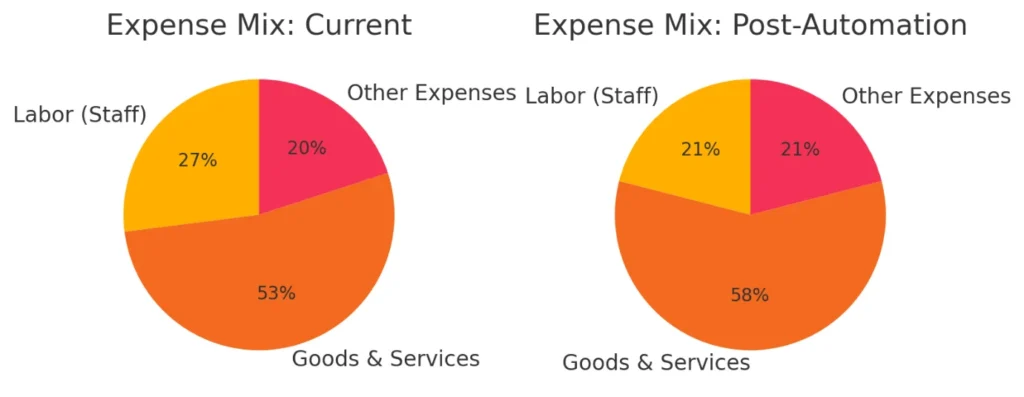
This report uses both internal data and external research to guide Telstra’s path forward. It is structured as follows: an overview of Telstra’s business context, a summary of the previous data analysis, strategic recommendations, a plan for involving key stakeholders, an implementation roadmap, risk considerations, and conclusions. The goal is to ensure Telstra can reduce costs without hurting service quality or employee morale.
Strategic Business Objective and Organisational Context
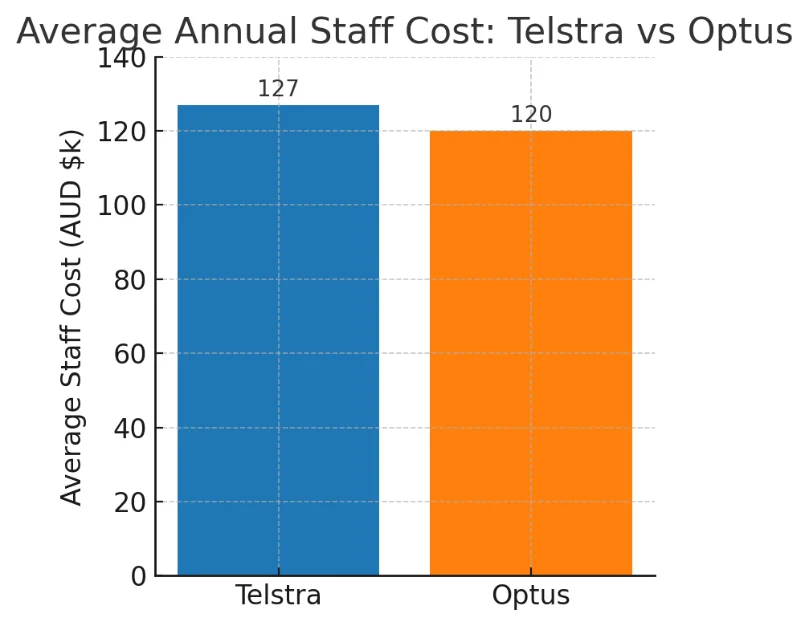
Telstra’s goal to cut staff overhead by 30% is part of a broader plan to become more efficient and future-ready. The company’s current labour costs are high—A$4.29 billion or 27% of operating expenses, which is more than its key competitors, Optus and TPG, who have smaller workforces and leaner cost structures. For example, TPG’s staff costs are only about 6% of its revenue, while Telstra’s are closer to 18%. This shows that Telstra has room to improve efficiency.
The challenge, however, is doing this in a way that does not damage service quality or employee well-being. In May 2024, Telstra announced that 2,800 jobs would be cut, mainly from the enterprise division. This move sparked criticism from unions and raised concerns about how customer service might be affected. At the same time, Telstra faces pressure from growing customer expectations, rising costs, and rapid changes in technology.
To stay competitive, Telstra must reduce costs, but also invest in smarter ways of working. Using automation, AI tools, and better management systems can help reduce manual tasks while keeping employees engaged and customers satisfied. This report focuses on finding that balance.
Summary of Data Analysis from Assessment 2
The Excel dashboard developed in Assessment 2 was designed to analyse key workforce and operational data for Telstra, focusing on employee costs, attrition, and customer satisfaction. The internal data used included employee expenses, staff attrition rates, customer feedback scores, and survey results related to morale and workload.
This data helped evaluate whether Telstra could realistically achieve a 30% reduction in staff overhead while maintaining service quality.
One major finding was that staff overhead currently accounts for A$4.29 billion, or 27% of Telstra’s operating expenses. When compared with competitors like Optus (≈A$0.8 billion) and TPG (≈A$330 million), Telstra’s workforce costs are significantly higher. While Telstra employs over 33,000 people, its revenue per employee is nearly half that of Optus or TPG, suggesting inefficiencies in workforce structure.
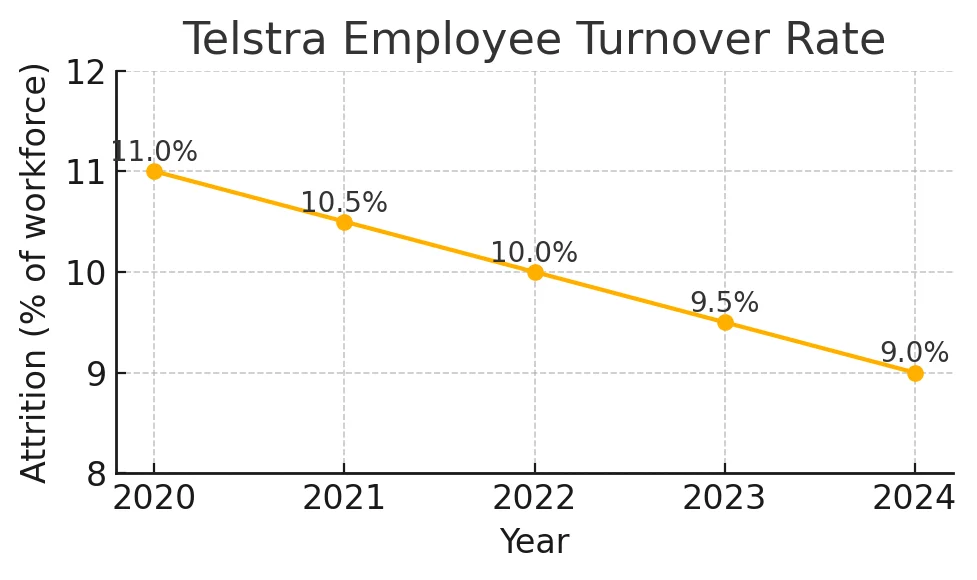
Attrition data showed that while Telstra’s voluntary turnover rate is relatively low (<10%), employee reviews on Glassdoor and Indeed highlighted low job security, high stress, and KPI pressure as major concerns. Many staff expressed frustration over increasing automation and a lack of clarity about future roles.
Customer satisfaction data linked staff performance directly to service quality. Review analysis from forums and TIO reports showed that customer service complaints were among the most frequent issues, with long resolution times being a key weakness. This suggests that poorly supported staff may lead to lower service levels.
These findings informed the recommendations in the next section. The data made it clear that Telstra must reduce costs smartly, by automating repetitive tasks, upskilling staff, and enhancing customer service systems, rather than simply cutting jobs.
Strategic Recommendations
Based on the findings from the Excel dashboard and supporting data, the following strategic recommendations are proposed to help Telstra reduce staff overhead while protecting service quality and morale:
Automate Repetitive Tasks and Support Services:
Telstra should expand the use of automation in customer support and back-office operations. Tools like AI chatbots (e.g., Codi), CRM systems, and robotic process automation (RPA) can help handle routine tasks, such as billing inquiries, basic troubleshooting, and data entry. AI could reduce global contact centre labour costs by up to $80 billion by 2026, a figure especially relevant to Telstra’s large workforce. Telstra already uses some AI tools, but wider implementation could save millions while freeing human agents for complex tasks.
Risk: Poor chatbot performance may frustrate customers; regular updates and human oversight are essential.
Employee Training and Upskilling:
To maintain morale and retain talent, Telstra should invest in training programs focused on digital literacy, AI integration, and new service roles. As roles evolve, current employees must be equipped to take on new responsibilities. Internal reviews already show employee anxiety around job security. which can be mitigated by clear career pathways and reskilling initiatives.
Outcome: Reduces turnover and creates a more flexible, digitally capable workforce.
Risk: Without proper planning, training may delay productivity gains or go underutilised.
Lean Management and Process Simplification:
Applying lean management principles can streamline decision-making, reduce layers of bureaucracy, and increase responsiveness. Many Telstra departments still suffer from slow internal processes and fragmented systems. Lean approaches will not only cut costs but also improve internal collaboration and reduce duplication of effort.
Outcome: Faster service delivery, reduced cost per task
Risk: If not done carefully, staff may perceive process cuts as workload increases.
Customer Service Enhancements:
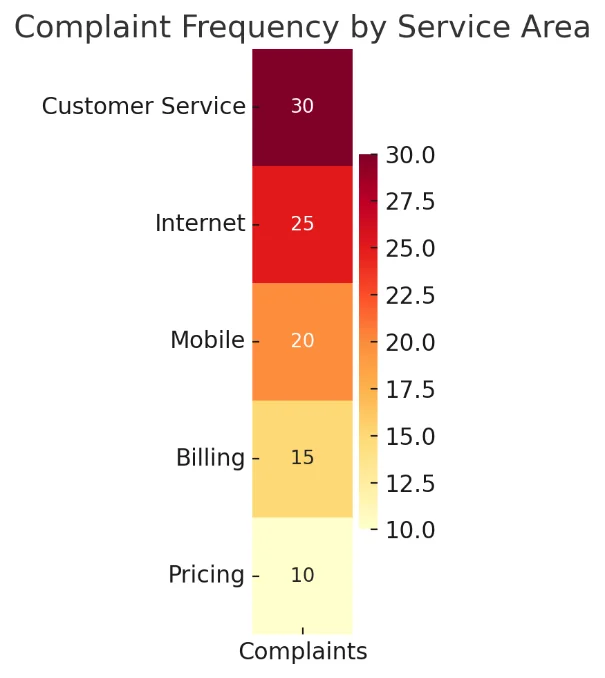
Customer service must be improved, especially as staff cuts risk reducing service levels. Investments in CRM upgrades, onshore support teams, and better self-service tools will reduce the pressure on remaining staff. TIO data shows Telstra ranks poorly in complaint resolution times. Addressing this with smarter tools and more efficient workflows can protect Telstra’s brand reputation.
Outcome: Higher customer satisfaction, fewer escalations
Risk: Insufficient planning could make the customer experience worse, not better.
Stakeholder Consultation and Engagement Plan
Effectively reducing staff overhead at Telstra requires proactive engagement with all key stakeholders. These include Human Resources, Customer Service leads, IT and Automation teams, and importantly, employee unions such as the Communications Workers Union (CWU), which has strongly criticised past job cuts as “prioritising profits over people”.
A structured engagement strategy will include:
- Surveys and anonymous feedback tools to gather frontline employee perspectives on automation and workload.
- Workshops and strategy briefings with HR and IT to align timelines and resource needs for upskilling programs.
- Regular update meetings with union representatives to maintain transparency and minimise industrial conflict.
- Quarterly stakeholder dashboards, reporting on KPI progress such as changes in employee costs, customer complaint resolution time, and morale survey results.
The engagement approach must be collaborative to avoid reputational risks and maintain operational stability. Successful digital transformation depends not only on technology but also on the trust and involvement of the people impacted by it.
Stakeholder Engagement Matrix:
Table 1 Stakeholder Engagement Matrix
| Stakeholder | Interest Level | Influence | Engagement Method |
| HR Department | High | High | Workshops, strategy updates |
| IT & Automation Teams | Medium | High | Technical alignment meetings |
| Customer Service Leaders | High | Medium | Feedback loops, dashboards |
| Unions (e.g., CWU) | High | High | Consultations, updates |
| Employees (Frontline) | High | Medium | Surveys, focus groups |
Implementation Plan – 12-Month Timeline
To support Telstra’s goal of reducing staff overhead by 30%, a phased implementation plan over 12 months is necessary. This timeline aligns key actions with Telstra’s internal resources and the external pressures highlighted in stakeholder reactions and industry trends.
A structured, time-bound approach is essential to avoid service disruption and reputational damage, particularly in the context of union backlash and customer service concerns raised following the May 2024 announcement of 2,800 job cuts. The plan emphasises automation, employee support, and continuous monitoring to ensure a balance between cost efficiency and service quality.
Table 2 12-Month Strategic Implementation Timeline
| Month | Action | Owner | KPI |
| Jan–Mar | Role assessment & redesign | HR Department | Staff overhead reduction plan |
| Apr–Jun | CRM & chatbot automation | IT/Automation Team | % of automated support processes |
| Jul–Sep | Employee training rollout | L&D / HR | Staff morale index (Glassdoor score, survey results) |
| Oct–Dec | Strategy adjustments, reviews | Executive Leadership | % of cost savings achieved (vs. baseline) |
Each phase incorporates feedback loops to reassess risks and ensure alignment with stakeholder expectations. For instance, KPIs will be monitored via quarterly dashboards shared with unions and team leaders to maintain transparency.
Gradual automation with workforce retraining delivers higher ROI and better cultural acceptance. This plan follows that logic, enabling Telstra to achieve its cost goals while building internal trust and sustaining customer service standards.
Risk Assessment and Mitigation Strategies
Implementing a 30% reduction in staff overhead is a complex change that brings significant operational, reputational, and technical risks.
While cost savings are necessary for Telstra to remain competitive, these changes must be carefully managed to avoid harming employee morale, service quality, or public trust. Below is a detailed risk matrix outlining the key risks, their likelihood and impact, and proposed mitigation strategies.
Table 3 Risk Matrix
| Risk | Description | Likelihood | Impact | Mitigation Strategy |
| Employee Resistance & Low Morale | Staff may feel threatened by automation and job cuts, leading to disengagement or resignations. This is especially likely after the announcement of 2,800 job cuts in 2024. | High | High | Invest in employee upskilling, communicate changes clearly, and involve staff in transformation plans. |
| Decline in Customer Service Quality | Reducing staff too quickly may overwhelm remaining employees and result in longer resolution times—already a weakness flagged by TIO reports. | Medium | High | Automate only routine tasks, monitor CSAT and complaint metrics, and scale automation gradually. |
| Technology Implementation Failures | AI or CRM tools may underperform, causing service disruptions. System compatibility and staff readiness are potential challenges. | Medium | Medium | Pilot systems before full rollout, ensure cross-functional testing, and provide IT support and training. |
| Union Opposition and Negative Public Perception | Strong pushback from unions and negative media coverage could damage Telstra’s reputation and delay implementation. | High | Medium–High | Engage unions early, share transition timelines transparently, and provide reassurances around voluntary redundancy options and redeployment. |
Strategic Analysis & Theoretical Justification
To critically assess Telstra’s strategy for reducing staff overhead by 30%, the McKinsey 7S Framework is applied. This model emphasises that seven internal organisational elements must be aligned to ensure successful change: Strategy, Structure, Systems, Shared Values, Style, Staff, and Skills.
- Strategy: Telstra’s plan to streamline operations through automation, CRM upgrades, and staff restructuring aligns with industry trends and cost pressures.
- Structure: The company’s large, hierarchical workforce must be simplified to reflect more agile, cross-functional teams.
- Systems: Integration of AI chatbots, CRM platforms, and analytics dashboards (Assessment 2) is central to enabling faster, more efficient service.
- Shared Values: Telstra promotes innovation and inclusion, but large-scale job cuts risk damaging employee trust unless managed with transparency and empathy.
- Style: Leadership must adopt a supportive, change-oriented management style, especially as staff morale has shown signs of stress.
- Staff: Restructuring must retain core expertise while offering retraining for those at risk of displacement.
- Skills: Digital skills gaps need to be addressed through targeted upskilling programs to prepare staff for evolving roles.
Transformation succeeds when cultural and structural elements support strategy, neglecting internal alignment often leads to failed digital initiatives. Therefore, the 7S model confirms that cost reduction alone is insufficient—Telstra must also ensure its internal environment is equipped and aligned for sustainable change.
Conclusion: Strategic Business Management of Telstra
This report has addressed Telstra’s strategic objective of reducing staff overhead by 30% while ensuring continued service quality and workforce engagement.
By using a structured, data-driven approach and aligning it with industry trends and stakeholder feedback, the report presents a practical plan for cost optimisation that avoids the pitfalls of indiscriminate downsizing.
The key recommendations—expanding automation, investing in employee training, simplifying processes, and improving customer service systems—are informed by Telstra’s internal data and external benchmarks.
Telstra’s labour costs, which currently stand at A$4.29 billion (27% of opex), are significantly higher than its peers. Competitors like Optus and TPG operate with leaner staffing models and higher revenue per employee, indicating room for Telstra to streamline without compromising performance.
By combining Excel-based internal analysis with broader market research and stakeholder insights, the strategy avoids one-size-fits-all cuts and focuses on sustainable transformation.
The integration of AI tools, stakeholder engagement plans, and risk mitigation strategies ensures that Telstra’s leadership can move forward with confidence. This balanced, informed approach will support both financial objectives and long-term organisational resilience.