
Global Business Strategy of Rolls Royce

In this report “Global Business Strategy of Rolls Royce” we discuss, Strategizing over the next three to five-years, Rolls-Royce Holdings plc. will be able to manage market challenges and develop long-term growth through extensive application of complicated strategic planning tools based on various upgraded strategic models and theories.
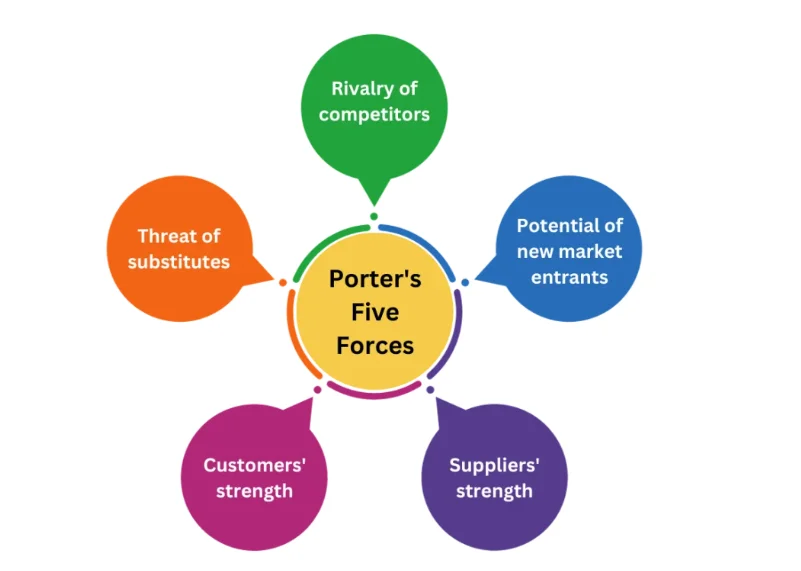
Therefore, based on Porter’s Five Forces framework, the organization will analyze strategic materials with respect to the competitiveness of the aerospace and defense industry, power of suppliers and buyers, threat posed by substitute products and services, and the possibility of new entrants to enter the industry. Through such analysis, Rolls-Royce can position itself more strategically regarding its strengths and weaknesses within the market as well as its rivals.
In the same token, the tool of SWOT matrix shall be used to establish internal strengths, internal weakness, external opportunities and internal threats. From the analysis of the latest financial performance, industry tenet can be identified as some of the internal strengths of Rolls-Royce, namely the impressive R&D power and global brand influence.
Nevertheless, some of the drawbacks that have been identified include high cost of operation and compliance with regulatory frameworks that may weigh down on its growth prospects.
Customer relationship management and predictive analytics shall be used to implement strategies that support customized services to suit the preferences of the customers and this will be applied by Rolls-Royce. This is based on the notion of customer satisfaction and loyalty with the company targeting to have at least a 90% customer satisfaction rate by the year 2024.
In addition, it will also employ the methods of specific scenario in an effort to predict what the state of affairs would be in various future circumstances. Thus, Rolls-Royce has to include such factors as the further developments involving electric propulsion systems or governmental regulations of emissions’ maximum allowable level, for example.
As such, through such activities like scenario analyses, the organization is in a better position to anticipate the most appropriate strategies to adopt once certain events happen.
The study will use the value chain technique to examine the effectiveness and efficiency of the operations of Rolls-Royce. New information reveals that Rolls-Royce has opportunities to make cost savings cutting and improvement of processes in its supply chain; the company wants to reach £500m in cost savings annually throughout the financial year 2025.
The customers’ segmentation will provide insights for better marketing communication and appropriate product development approaches. This means that Rolls-Royce can manage its customer data well and work out the various demands of the different customer segments.
Read more: Global Business Strategy of Mark & Spencer
Strategic Audit
The performance of Rolls-Royce has been suffering from various difficulties for the past three years as financial and business aspects have affected both its functionality and image. In the financial aspect, customer regard, regulatory bodies put forward criticism and penalties nonchalantly on this link including a £3. 375 million fine charged by the Financial Reporting Council (FRC) on audit negligence that involve Rolls-Royce’s “bribery payments” in India. The auditing firm, KPMG, and its auditor, Anthony Sykes, received a severe reprimand for failing to do their job properly.
Furthermore, Aviatrix experienced losses and operational efficiencies at certain times, due to problems associated with the Trent 1000 engine and the structure reorganizations.Despite these setbacks, Rolls-Royce has shown resilience, with a focus on cost reduction and operational efficiency to improve profitability margins and manage cash flow effectively.
It must also be understood that Rolls-Royce began a strategic review process under the leadership of the new chief executive officer Tufan Erginbilgic, the company recognizing its poor financial performance to date, and the objective to intensify cost recovery.
The review has also pointed out seven areas for improvement, here aspect of commercial was highlighted and major focus remained on civil aerospace and power systems segments. They also let go of ITP Aero to manage credit risk and made further possible changes in the nuclear business.
Furthermore, Due to the weak performance in civil aerospace, Rolls-Royce also aimed at renegotiating term contracts in the civil aerospace division and planned for the cost cutting measures to support marginal gains.
Technologically, Rolls-Royce committed to research and development to invest in sustainable aviation solutions in response to environmental issues and suit the bandwidth of demand. Nevertheless, the firm continues to operate effectively as strategic supplier of components and systems for the aerospace and defense sectors due to its well established brand image, technological competence and product line diversification.
As for the outcomes of this process, the Rolls-Royce has both prospects or future opportunities, and challenges or future threats in its sight. The areas of strength are found in the opportunity to develop the growth and adoption potential of the emerging markets, the heightened adoption rates of SAS due to more saturated developed markets, and the diversification opportunities into UAM and other related business segments.
Nonetheless, there are risks that threaten NIB’s operations and fiber production and acquisition plan including competition pressures, shift in regulations governing aviation emissions and safety, and supply chain vulnerabilities.
A strategic analysis of Rolls-Royce over the last three years reveal that it has had a sound financial performance but faced some losses, more regulatory issues and had to undergo strategic restructuring under new leaderships.
While the company faces risks and oscillations and works toward bettering the financial and managerial performance, it is high time for Rolls-Royce to tackle a question of profitability, develop corporate governance, and leverage opportunities in a dynamic industry environment.
Analysis
Rolls-Royce Holdings plc. is ready to manage capacious and multifaceted market challenges and create a steady, solid growth path during the following three to five years with the help of a fully-fledged strategic approach based on different superordinate strategies, models, and theories.
Competitive Landscape:
The aerospace market where Rolls-Royce engages itself is moderately competitive especially in manufacturing of aerospace engines whereby Rolls-Royce faces stiff competition from general electric and Pratt & Whitney.
However, Rolls-Royce’s business level strategy of differentiation as well as innovation assists it in warding off the competitors. The firm attempts to develop innovative, efficient and environment-friendly propulsion systems mainly through research and development efforts.
Supplier Power:
One specific way Rolls-Royce has leverage over its suppliers is its brand reputation around the world. It is important to note that supplier management is critical when dealing with raw materials since the company needs to have a constant supply of the same while sourcing for high quality material.
But, unfavorable factors that are an inherent part of the supply chain like fluctuating raw material prices and political risks can sometimes influence the bargaining power of suppliers. Thus, it is necessary for Rolls-Royce to find more suppliers to avoid overdependence on the particular ones and deepen risk management activities.
Buyer Power:
In the aerospace industry, buyers have the advantage of the required purchasing volumes, meaning that they can easily negotiate for their preferred terms. To this, Rolls-Royce can implement customer relationship management (CRM) systems and also use data and analytics to ensure customer needs are met accordingly. Providing customers with additional value-added service offerings, for instance, maintenance and support packages improve loyalty as well as have competitive advantages.
Threat of Substitutes:
The threat of substitutes in the aerospace industry is low as there are only few substandard substitutes currently available in the market of aircraft propulsion systems. Nonetheless, long-term threats can arise from the introduction of innovative technologies such as electric propulsion systems. The company is currently facing this threat through aggressive investment on research and development and innovation.
Barriers to Entry:
It is characterized by high levels of industry entry barriers since it requires huge capital investment, adherence to strict legal requirements and expertise with the latest technology. Rolls-Royce profits from these barriers which include strong Research and Development and the fact that its brand image was global therefore making it difficult for new entrants to compete.
This is because it is well established in the industry and has engaged in sustainable innovation, thus neutralizing any possible threats from new entrants due to its sustained market domination.
SWOT Analysis
| Strengths | Weaknesses | Opportunities | Threats |
| Strong R&D capabilities Rolls-Royce boasts robust research and development capabilities which drive innovation and product differentiation key factors in maintaining competitiveness in the market. Global brand reputation Rolls-Royce’s reputation as a leader in the aerospace industry enhances its credibility and customer trust, contributing to its strong market position. | High operational costs Rolls-Royce’s operational expenses are relatively high, impacting its profitability and financial performance. Addressing these costs is crucial for sustainable growth and maintaining competitiveness. Regulatory challenges Rolls-Royce operates in a highly regulated industry, subject to stringent regulations and compliance requirements. Adhering to these regulations while remaining competitive can be challenging, impacting operational efficiency and profitability. | Emerging markets in Asia-Pacific The rapid growth of economies in Asia-Pacific present lucrative opportunities for Rolls-Royce to expand its market presence and tap into new customer bases. Advancements in technology, such as electric propulsion Systems Technological advancements present opportunities for Rolls-Royce to innovate and develop cutting-edge solutions, particularly in the realm of electric propulsion systems which align with the industry’s focus on sustainability and environmental responsibility. | Geopolitical tensions affecting supply chains Political instability and conflicts in certain regions can disrupt supply chains, leading to disruptions in production and distribution Disruptive technologies impacting demand The rapid pace of technological advancements may render traditional propulsion systems obsolete, affecting demand for Rolls-Royce’s products. |
Scenario Planning
Using the case analysis of Rolls-Royce, you can also mention that the aerospace and defense as an industry is rapidly changing and the role of scenario planning is extremely important for the company. This process entails constructing and visualizing different management orienteering techniques in anticipation of potential changes.
Due to the nature of the industry, which is always changing, having a contingency plan in the form of a scenario plan allows for preparing for potential shifts like the adoption of electric propulsion systems.
The use of electric and hybrid propulsion systems is currently of high interest because of discourses in environmental consciousness on carbon emissions. This principle implies that Rolls-Royce needs to assess the potential effects of this change on its product portfolio, positioning, and competitors.
Through the analysis of the discussed outcomes, inclusive of the implementation rate of electric propulsion, incentives encouraging electric systems, and probable technological enhancements, Rolls-Royce can elaborate tactical steps. Some of these solutions may involve boosting spending on research and development of electric propulsion, or co-operating with companies that manufacture electric vehicles, or the expansion of its portfolio of products to include electric propulsion.
It can be noted that there are ongoing fluctuations in emissions legislation, which also creates a major threat to the operating and financial results of Rolls-Royce. Regulations in governmental bodies across the globe are tightening emissions loss mechanisms to mitigate climate change and foul air. Moreover, the company needs to respond to such shifts in demand since they indicate the changes in the regulatory environment.
Developing scenarios can help the company envision the impact of adjusting the emissions limit, the implementation of carbon prices for aviation, or even encouraging sustainable technology. It helps the firm stay aware of market trends so that it can change the outlook for its upcoming products, working production strategy and supply chain initiatives at Rolls-Royce.
In addition, through the same process, various threats and opportunities which might arise from changes in geographical locations around the world, fluctuations in the market conditions, new developments and innovations in technologies, and emerging needs from the customers are handled at Rolls-Royce. The strengths, weaknesses, opportunities and threats presented in the different possible developments allow Rolls-Royce prepare well in order to respond to the changes and make correct decisions.
Value Chain Analysis
The company’s British subsidiary Rolls-Royce confirmed current opportunities in the field of cost reduction and improving efficiency in the supply chain to achieve £500 million of cost savings annually by 2025. Through this concept called effectuation and through value chain Rolls-Royce is able to identify areas that are effective and efficient within the company and under which condition it could improve in terms of competitiveness and possible profitability.
Procurement:
With the current developments, Rolls-Royce plans to enhance the procurement aspect with an aim of achieving better terms with suppliers, most notably, more supplier’s consolidation and reduction of cost through making use of the economies of scale factor. Utilizing the evaluations of the suppliers and the integration of supplier performance management systems the company is guaranteed to have a stable and efficient system of procurement that is cost-effective.
Production:
How Rolls-Royce manage in creating operational efficiencies and decreasing costs during the production stage that they concerned with improving the manufacturing processes, improving the production schedule, and minimizing wastage. Capital investments and other activities such as automation of processes, adopting lean manufacturing systems and standardization of production processes are some of the ways that help in increasing productivity and shortening lead times.
Distribution:
Thus, through supply chain management, Rolls-Royce needs to lessen the points of contact within the distribution channels, exhibit efficiency in the distribution networks in an effort to reduce the transport costs, delivery time and increase the levels of satisfaction amongst its customers. It is planning to incorporate efficient IT tools in various segment of its last mile delivery including that of route optimization software and real time tracking system, which will help it to bring down cost.
Customer Service:
In response, Rolls-Royce would like to expand the provision of after sales, improving service provision to ensure customer retention reduces the amount spent on servicing. They include adopting reliable field service management solutions, providing additional warranty options, and providing a range of remote services including real-time condition monitoring and diagnostics for customers to enable them prevent equipment failures.
Busta and Walker (2011) posited that, for Rolls-Royce, value chain analysis provides an ideal framework for examining the internal operations of the firm. The given model pinpoints weaknesses through evaluating each stage of the value chain thus proposing specific tailored approaches to the company that seeks to optimize the value chain to fit its objectives of cost reduction.
Improvement in supply chain management activities and optimizing operations within the value chain are significant strategies that can be applied by Rolls-Royce to intensify competitiveness, increase profitability, and guarantee long term viability in aerospace and defense sector.
Customer Segmentation Analysis
Due to the fact that Rolls-Royce applied Customer Segmentation Analysis, it defined its market into smaller groups such as the type of industry, geographical location and operational requirements. This means that only the specific products which are anticipated to meet certain set standards can be produced.
For instance, commercial aircraft manufacturers require engines that burn less fuel and pollute the environment in their strain for sustainable operation while clients of private aviation value comfort and personalization of the equipment. Bearing this in mind, one would expect that military clients would value reliability and performance most, out of all those factors.
To this end, Rolls-Royce needs to develop products that fit these three segments in an effort to improve the satisfaction level and subsequently level of sales. The constant analysis of the data provides the company solutions and enables the adaptation to the particular market requirements and thus remain relevant within aerospace and defense sector.
Justification of Strategic Actions
All the strategic actions recommended for Rolls-Royce can be explained in detail by using the strategic models and theories, in this case. With regards to competition, forces are assessed using the Porter’s Five Forces model that underscores the imperatives of differentiation and novelty.
SWOT analysis involves considering strengths as the insurance of opportunities, including R & D and establishing a global brand in the organizations while working on development of strategies for turning weaknesses for example high operation costs as opportunities. Strategic management enables Rolls-Royce to adapt to changes of the future that may include cases of electric propulsion use as well as changing legislation.
The technique of business understanding commonly used is the value chain, as it defines areas for cost decrease and process improvement, which are useful for optimizing the supply chain. The process of client categorization helps in adapting to the company’s products to meet the needs of selected clients, thereby improving their satisfaction level and therefore promoting the revenue generation of the company.
The integration of these models affords Rolls-Royce insight on the competitive dynamics as well as the internal and external factors affecting it. It helps the firm to formulate adaptive solutions for managing challenges, managing risk, and ensuring sustainable future planning in aerospace and defense industry.
Critical Reflection
During working on the management report, such important aspects of strategic management have been included into consideration, and I have got important insights on how actually strategic management principles can be applied to evaluate companies’ performance and solve business issues.
From this experience a primary understanding that one commonly comes across is that a number of the strategic models and theories available can be effectively applied to provide a broad analysis of the organization’s internal and external environment.
The weekly tutorials gave a systematic approach to how to analyze models like Porter’s Five Forces analysis, SWOT analysis, and other models like the scenario planning models, value chain analysis, and the customer analysis. Every model provided a distinct view on some aspects of the enterprise and all the possible strategies, so the end result was comprehensive.
Using these models helped understand how elements were related to each other to affect organizational performance and strategic management decisions. For instance, although Porter’s Five Forces structured the analysis of airline competition in the aerospace industry, the comparable theoretical framework of SWOT offered further exploration of internal and outer environments.
It unveiled the profound significance of the collaborative strategies that relate the internal resource strengths and the learnings from the current market environment in tandem.
Moreover, Scenario planning enables not only a general anticipation of the challenges that the external environment can present but also the identification of threats and powerful opportunities that organizations like Rolls-Royce can harness.
Further, a new significant role of the customer segmentation was revealed in the glance of meeting the customers’ needs and wants. Customization emerges in product and service provision to patrons as a potent levers for CS and revenue generation, thus pointing to the salience of customer-oriented strategies in gaining competitive advantage.
In my work on the management report, accomplishing it benefited me by obtaining real-life practice and understanding of the concept of strategic management, as well as highlighting the processes of systematic analysis, innovative solutions, and responsible decision-making.
Exploring this field for the first time in this class has been enlightening because it offers perspectives I can use in future courses or even employment in the area of business management.
Conclusion and Recommendations: Global Business Strategy of Rolls Royce
I would hereby recommend and encourage Rolls-Royce Holdings plc. To outline the following strategic framework for the company as follows:
Technological advancement diversification of the company’s operating model, customers segment and sustainable practices. These strategic actions are imminent requisite for Rolls-Royce at present time to comprehend a range of opportunities and threats in its distinct market segments to unleased new worth in the aerospace and defense industry.
To increase the level of technology, differentiation, refine invention particularly electrical propulsion, sustainable aviation is the grounds where Rolls-Royce should invest heavily on research and development (R&D. This will further enable Rolls-Royce to maintain competitive position and also address the dynamically evolving market environment of sustainable aviation business.
Expansion of the company’s product offering and penetration into other related segments, such as urban airborne transportation and renewable power products, will help to address the volatilities of the transport market and grow revenue. Therefore, relying on market segmentation and the need for the strategic planning of various potentially possible scenarios, Rolls-Royce can obtain growth opportunities within these countries.
Efficiency management, procurement, line efficiency, organizational development initiatives which are aimed to have a positive impact on the working activity will have a positive impact to the operating profit. In order to effectively reach the above mentioned goals at RR, the utilization of the operational excellence models and lean management should be applied.
Furthermore, integration of customer relationship management (CRM) and Predictive capabilities will enable Rolls-Royce to build and deliver innovative solutions, products, and services by capturing the customers’ needs and wants. This will ensure that Rolls-Royce achieves customer satisfaction and loyalty which has a potential to make new relationship with customers latter and other prospects.
They have to be handled for the whole of the extended value chain; employing collaborative and effective sustainability assessment models and hence affecting environmental impact assessments; and will support further degrees of environmental management and universal sustainability objectives. To meet the demand that calls on the company to step up on sustainability leadership, the firm should go for the concept that entails strategic directions that include the following issues: Admission that it has a problem with carbon emissions, adopting ecological manufacturing and being an advocate for green energy.
Conclusion
The above mentioned strategic actions are effectively executed, it will help in achieving an enviable competitive advantage for Rolls-Royce with respect to its rivals, generate sustainable revenues and profits, and in turn provide enhanced value creation for the shareholders and other stakeholders of the company.
Strategic models and theories imply that Rolls-Royce should be ready to adapt to the emerging market conditions and seize opportunities; therefore, it will be possible to bolster its positions and become a dependable and sustainable company in the aerospace and defense field. Thus, Rolls-Royce must analyze its strategic moves and step up the activities in response to certain identified market trends and shifts in order to foster the company’s growth and development.