

Global Business Strategy of Thomas Cook

In this report, “Global Business Strategy of Thomas Cook” we discuss, Thomas Cook Group which once stood as a pioneer in the travel and tourism sector has faced a turbulent period with flowing finance and oscillating market share in the last three years. To consolidate its operations and thus make its market presence more feasible in the next three to five years, this report outlines a Strategic Development Plan that Thomas Cook should undertake.
At the center of this particular strategic approach, there is the challenge of going digital. Being aware of the drastic changes occurring in the sphere of consumer behavior and market tendencies, Thomas Cook should start utilizing developed digital technologies to develop and improve the opportunities for online bookings and change the concept of required customer service. In so doing, the firm not only stabilizes its ability to compete but also carves out a role for itself as a dominant industry actor equipped to serve new and changing demands that the tourist sector presents.
Consequently, effective cost management frameworks remain highly significant given the complexity of the existing environment. By closely integrating optimization with the strategic management of supplier relations, Thomas Cook can thus establish a robust financial position and nurture the flexibility needed to effectively manage future contingencies. In addition, an organizational shift within the market boundaries presents a critical strategy for the reinvention and future survival of Thomas Cook.
It means that by creating a deep understanding of the ongoing discussions in the consumers’ society and identifying the potential new markets like luxury travel or eco-tourism, the company can establish a significant competitor advantage and reveal a new source of revenue. Innovation is a second striking virtue evident from the Thomas Cook Company’s revival plan where collaboration forms part of it. Building successful and long-term business relationships with key players improves its service offerings, captures deeper market share, and, consequently, provides overall benefits that augment the interests of all partners.
The overall aim of this report is to give clear recommendations to Thomas Cook as to how the company can regain its market dominance and sustain long-term supremacy in light of the daunting challenges the travel industry is bound to present. By implementing effective strategic management, organizational efficiency, and an ever-serving focus on customer-value proposition, Thomas Cook is well-equipped and positioned to be more strengthen and resilient to face the future’s challenges while capturing future opportunities.
Read more: Global Business Strategy of WH Smith
Strategic Audit:
Financial Performance:
Thomas Cook Group has been anticipating multiple problems over the past four years primarily due to its elapsed in the year 2019 and subsequent initiation to recover its operations.
Revenue:
The Company’s revenue further declined drastically from $9.5 billion in 2019 to $3.2 billion in 2021. The operational shutting down, which was further worsened by the effects of the COVID-19 flare-up, presented a severe problem to the organizational top-line numbers for Thomas Cook. However, the market revenue is slowly increasing from the current level to $4.1 billion, indicating a potential for a future recovery.
Net Profit:
It became evident in the financial year that followed the collapse in the case of Thomas Cook, and the company recorded a huge hit on the financials; the net profit had been $420 million in 2018, but in 2019, the company recorded a loss of $1. 2 billion in 2019. However, simultaneous efforts to reduce costs and operational efficiency and we have also undertaken certain structural enhancements. That however continued to worsen in 2021 and 2022 where the company posted a net loss of $750 million and $300 million respectively though the losses were considerably less than in the preceding years.
Business Performance:
Operational Efficiency:
Thomas Cook realized that in order to make efficient changes after the collapse it had to prioritize a number of changes that would increase its operations. However, operational efficiency remains at relatively low levels, mainly because of remaining preoccupation with legacy matters and the ongoing organizational retooling. Nevertheless, the company is clear of its vision in driving operational adaptability and efficiency above all odds.
Customer Satisfaction:
Structural failure of Thomas Cook breached trust and resulting consumer satisfaction, significantly eradicating consumer confidence level. Recent polls, nevertheless, show stabilizing and somewhat improving scores reflecting overall satisfaction trends as the company continues the process of establishing a positive reputation following numerous scandals.
With a focus on providing quality service most especially in catering to the needs of the consumers, Thomas Cook is on its way to reclaiming its place in the industry as a trusted travel company.
Employee Turnover:
Some of the performance shortcomings noticeable in the case of Thomas Cook have to do with high turnover rates, which depict insecurity that is inherent more so when establishments experience a collapse and afterward have to re-establish.
To address this issue, it is vital to have a comprehensive strategic communication plan focusing on employee engagement that would bring about responsible positive culture change, including more power-sharing, diverse representation, and opportunities for skill advancement for academic professionals at the institutions.
Analysis:
This report aims to make a further assessment and rationale of the tactical initiatives suggested to the Thomas Cook Group in the Executive Summary. The outlined strategic actions are meant to respond to the company’s challenges in its current environment, as well as benefit from promising developments in the travel and tourism industry.
Digital Transformation:
One of the most catastrophic business failures in the recent past, which could be traced back to poor DT initiatives, is the Thomas Cook collapse in September 2019. This transformation is urgent to awaken the customers as well as to advance operational effectiveness and gain competitiveness.
To that end, Thomas Cook has the opportunity to establish and develop such sophisticated digital technologies as an automated booking platform, an AI-based customer support system, and data management and insight as the means to optimize the travel product, engage the clientele, and drive revenue across the supply chain.
For Thomas Cook, this translates into a huge opportunity to not only stay afloat but to grow within the harsh confines of the brutal travel environment.
Moreover, the digital-first strategy provides Thomas Cook with the flexibility to compete effectively in today’s environment and to shift directions as necessary in response to market signals and consumer behavior.
Through real-time form of real-time data, the company can determine the needs of the customers, and its trends in the market together with other elements that make it possible to design, develop, and deliver personalized and competitive products and services. This adaptability is critical, especially in today’s constantly evolving markets and industries, which makes it paramount for a player to be able to evolve and fit the prevailing changes.
That is why digital transformation is the key for Thomas Cook and its successful strategy of becoming stronger in the face of the crisis. Consumerization makes it possible for the company to consistently reinvent the value proposition, enhance client experiences, and optimize business operations within a digital economy. Through its ability in digital platforms, Thomas Cook can stand in front of the new generation as a strong digital company ready for the digital era.
Cost Management:
The key aspect of Thomas Cook to drive its long-term financial turnaround and consistent profitability lies in cost management. Cost control is extremely important in any organization since, through measures such as sound cost-cutting mechanisms, it is possible to gain better control of overall organizational costs and efforts.
According to Harvard Business Review, cost management remains rather crucial, arguing that organizations with excellent cost management skills have 20% superior profit margins than mediocre ones. For Thomas Cook, it is a very real opportunity to strengthen its position in terms of its financial resources and competitive position.
On the one hand, Thomas Cook should manage the organization employing lean management principles; on the other, the company can reduce its overhead expenses by renegotiating with suppliers for better value chain efficiency.
It also allows for the liberation of scarce cash resources from being spent wastefully, as this disciplined approach makes certain this does not happen. They can then be redeployed to the priority areas like digital transformation, marketing and promotional activities or product development.
Development in these sectors also adds organic value to the company by enhancing its stockholder’s shareholders’ and stakeholders’ value. In the current world, digital transformation helps Thomas Cook to develop the right tools that would enable it to change direction in the market place and create new experiences that are appealing to its customers.
Marketing drives brand trust and repurchases because the society requires assurance that existing and potential clients can place their trust and money in well-managed organizations. On the other hand, we find product innovation as relevant and capable of guaranteeing positioning and market competitiveness in a given industry environment.
Thus, rigorous and effective cost control not only strengthens its financial pillars and bases, also well as drives the firm’s strategic development line for Thomas Cook. By applying rational cost management strategies and properly distributing scarce resources, Thomas Cook can effectively respond to threats, take advantage of opportunities, and move into a new phase as a much more robust entity in the travel and tourism industry.
Market Repositioning:
Market repositioning is suggestive for Thomas Cook as an important strategic direction, which may lead the company toward the new growth opportunities, and can also point toward the new directions the travel industry may take. Exploring specialized segments like, “luxury travel and eco-tourism” has great potential that may help in expanding the company’s business and scope for revenue generation.
The global luxury travel market is expected to grow at a CAGR of 4%, and the trend indicates that the market will continue expanding in the years to come. The Forecast market for Small Hydropower by geographic span is projected to grow from 6% during the fiscal years 2021 to 2026 over the overall industry.
In the same way, the concept of eco-tourism has also gained common appeal among world travelers through conscientious considerations of a market worth $333. 8 billion by 2027. In this manner, such segments can be targeted and captivated to buy brand offerings, subsidiaries like Thomas Cook are in a position to take market share, charge a premium price profit margin to/from consumers, and thereby posturing themselves for recovering losses and more Furthermore, market repositioning enables Thomas Cook to come off direct dependence on package tourism which is highly vulnerable to market price and low-value yield, and largely affected by seasonality.
In this regard, leveraging on high-end tourists, Thomas Cook can effectively market itself to equal unique sales that would be marked by brand loyalty.
Besides income generation, this overhaul of the business strategy and positioning on the market helps the brand’s image and the company’s relationship with its consumers. By focusing on societal needs and perceived value, Thomas Cook proves that it is an organization that cherishes the consumer’s needs and wants. All in all, repositioning a market has the potential of offering Thomas Cook a renewed opportunity for increased revenues, with a new product and service brand identity and solidity of position in the marketplace.
Through effective operation in the tourism industry, by targeting specific segments such as catering for the increasing market of luxury travelers and the increasing trend on eco-tourism, the company can record improved revenues, brand image, and profitability in the long run.
Strategic Partnerships:
Strategic partnership as a key remodeling vector can allow Thomas Cook to strengthen its market positions, pursue growth, and improve the customer value triangle. Further, by forming partnerships with airlines, hotels, and local tour operators, the company can leverage alternatives and elements that perhaps cannot be secured alone or managed internally.
The study emphasizes the importance of strategic alliances or partnerships providing evidence showing that companies in partnership earn 19% more profitability and grow at a rate of 15% faster than other companies. For Thomas Cook, therefore, this underlines the role of partnership formulas in offering the possibility of affecting the company’s strategic goals and objectives positively.
By forming these partnerships, Thomas Cook sees new markets and segments that he maybe was unable to for instance penetrate independently. This would mean that by utilizing the diverse capabilities that those two partners have, the company can not only diversify its service portfolio but also increase the coverage of the travel market and offer consistent travel experiences that reflect the consumers’ expectations.
This not only helps to improve customer satisfaction but also contributes to the intensification of brand identity and compliance with market demands. In addition, strategic partnerships also provide a chance to harness synergies for several capital-intensive investments, and several risks would result in a case. Therefore, through implementing partnership strategies that involve the sharing of resources and channels of distribution and marketing with Thomas Cook, the company is in a position to eliminate expense, increase its margin, and efficiently allocate resources.
Moreover, it reduces the impact of entry barriers and constraints for the company’s expansion as well as the regulatory challenges in distinct markets and locations. Strategic alliances are imperative for Thomas Cook to ensure vitality and a breakthrough in the argumentative traveling industry. The overall impact of collaborative relationships where all these key stakeholders are involved is that the company will be able to develop new growth strategies, improve the customer value proposition, and set the foundation for sustainable long-term growth.
Brand Reinforcement:
Thomas Cook needs to find a way to return to its former glory and thrive in the current travel industry market and brand reinforcement is necessary to achieve this goal. These objectives make brand awareness and its re-establishment a key factor in the company’s recovery process since it seeks to convince consumers to give it their trust again.
Thus, Brand Finance’s work proves that brands should be assets – if businesses focus on strengthening their brands, these investments will outperform the market by 36% during a downturn. According to the factors discussed above, implementing brand reinforcement programs is a key strategic direction for Thomas Cook since it aims to recover its spoiled reputation, increase its market share, and encourage customer loyalty.
In the center of brand revitalization, efforts are conducted with references to safety, reliability, and specific travel experiences as a marketing campaign instrument. Because it is easy to state these brand attributes, Thomas Cook needs to promote the same through Social media, Influencer partnerships, and loyalty programs to capture the attention of its customers and encourage them to market the company’s brands. Marketing done right leads to customers who are satisfied, and their recommendations foster brand longevity.
In addition, a renewed branding presence creates opportunities for new business engagements and cooperation, which positively impact Thomas Cook’s competitive position in the global tourism industry. It means that the company will be able to reach out to more people, address new markets, and increase its position with potential customers. Associating with other renowned brands can help Thomas Cook enhance its credibility and also strengthen the Travel and Tourism industry’s commitment to offering memorable vacations.
Critical Reflection:
While writing this management report on Thomas Cook, I discovered various aspects that demonstrate the need to consider the aspect of strategic management as one of the crucial when dealing with organizations operating in the travel and tourism industry. The first major lesson is the need to possess high levels of flexibility and this is equally extremely important in managing the volatility present in today’s markets.
The story of Thomas Cook is quite a classic where it rose to prominence in the industry and then struggled to get back up and running after significant problems because the tourism industry like any other industry requires the companies to adapt to new changes in the market, in this case, change in consumer’s traveling habits, advancements in technology, as well as other unpredictable market shocks.
Moreover, practical experiences involving strategic planning have made me develop a new perception of how different strategic factors like digitalization, cost optimization, market positioning, partnership, and repositioning of the brand interconnect.
All these components have a strategic importance for establishing the company’s competitive advantages and the sustainability of the operations of Thomas Cook. Also, there are periods when I have gained an understanding of the correlation between operational and overall business management visions and goals as well as the relevance of integrating corporate aims effectively into functional units.
This management report has also highlighted the significance of proper research and sophisticated analysis of the business environment to come up with more significant strategic decisions. Indeed, when it comes to business strategy development, it is properly emphasized that real research-type knowledge is the key starting point that helps build the right strategic plan for any organization, ranging from analyzing the overall and business financial performance of Thomas Cook to the general trends in the market and the key dynamics within it.
Besides, I have enhanced my understanding of the sum of models in strategic management used in the analysis of organizational performance, examination of strategic issues, and formulation of a strategic resolution.
Recommendations:
Accelerate Digital Transformation:
By extension, Thomas Cook needs to ensure that the company embraces more enhanced digital technologies within its businesses. Fidelity, experience, and innovation are integrated through the elements, namely efficient and up-to-date electronic booking systems, smart customer service, and big data and analytics.
Through this approach, the company would be able to deliver the best experience to its customers, engage them, and generate more sales.
Implement Robust Cost Management Strategies:
One of the applicable principles for the strategy is to streamline the operations and maximize the efficiency of the resources which will contribute a lot to the financial repairs of Thomas Cook. It should implement lean management strategies and negotiate lower prices for all the supplied products to the company with the suppliers.
On the same note, there will be the creation of a continuous improvement program which will afford consistent optimization of work, people, and anything else that is available.
Reposition in Niche Markets:
The global organization to focus on the segmented diversified businesses such as Luxury travel and eco-tourism have vast growth prospects in Thomas Cook Group. By segmenting its target travel market, the company can create specialized travel packages and travel experiences geared towards the defined segments, which will enable the company to charge a premium for such services, thus enhancing overall profit margins. In addition, the expansion of the market into the ultrahigh-end bracket will further improve the customer’s attitude towards the brand and instill brand loyalty in the market.
Form Strategic Partnerships:
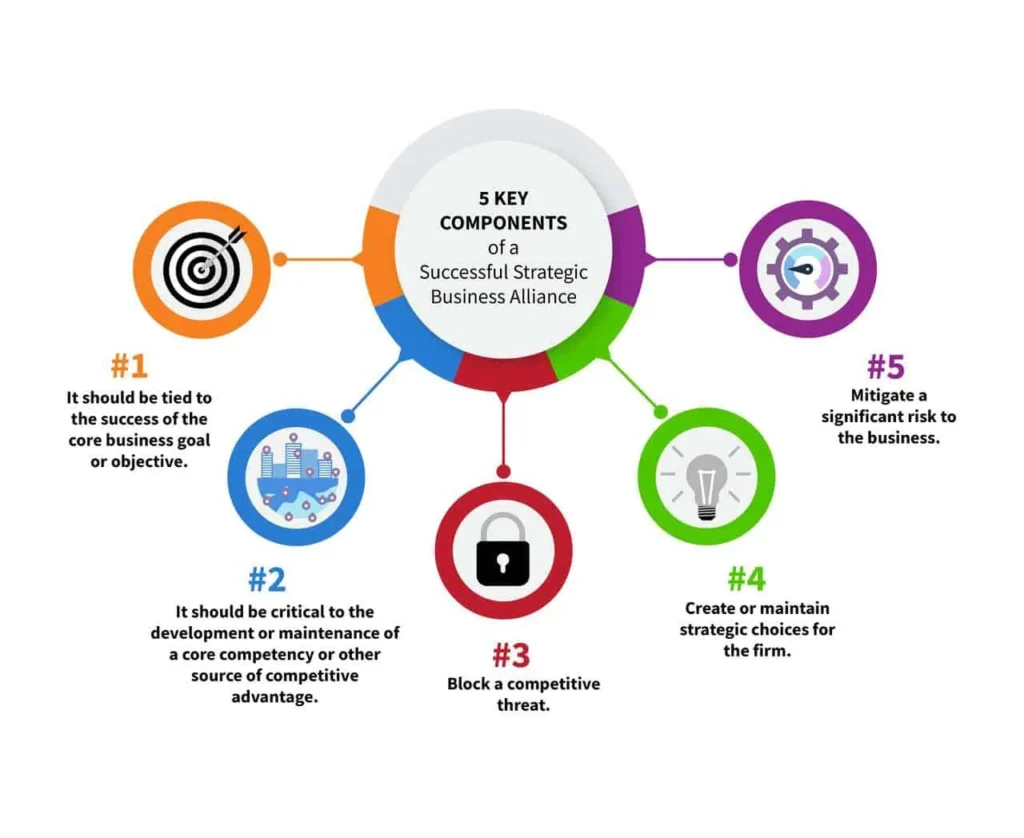
Thomas Cook needs to explore cooperation with Airlines, hotels as well as local tour operators because this will increase the range of services offered as well as coverage in newly identified markets. Through strategic alliances, the company would be in a position to acquire new markets, recognize cost-saving opportunities as well as the development of chain travel services that would make it easier to compete with other competitors. Finally, long-term sustainable relationships created within the framework of strong business values and well-defined strategic goals can guarantee the parties’ success and development
Reinforce Brand Trust and Awareness: In the analysis of the current situation, it is of the utmost importance that Thomas Cook seeks to regain consumers’ trust. A large-scale marketing campaign that brings to the forefront the convenience, safety, and outstanding travel experiences that will regain the confidence of consumers and generate new sales. This will enhance customer relations via social media, affiliated marketers, and loyalty to create a formidable market wall.
Conclusion: Global Business Strategy of Thomas Cook
Consequently, the management report for Thomas Cook group should have contained the following strategic directions that could help the company to emerge and thrive. The most critical strategies are the digital transition, radically controlling costs, reconsidering positioning, cooperation, and strengthening the brand.
Leveraging the benefits of advanced digital technologies, such as intelligent operations and customer satisfaction, will improve. Simplification of processes and focusing on the right segments such as business and leisure traveling including glamorous traveling and eco-tourism as major avenues will open up the prospects of growth.
Working hand in hand with the industry members and initiating and implementing massive marketing strategies will enhance its market position and reconstruct the consumer confidence level. Implementing these strategies as shown by leadership and crystal-clear demonstration will help Thomas Cook to realize significant growth in the vibrantly competitive travel sector.