Customer Experience Strategy of Heineken

Heineken is a Dutch Pale Lager Beer by volume that is sold in a green bottle with a red star. Heineken beer was introduced in 1873 and sold various products like Heineken Oud Bruin, Heineken Tarwebok, and Heineken Oud Bruin in the UK as well as across the globe. Heineken uses various omnichannel experiences and social media channels to create the proper brand value, which supports the customer experience.
Read more: Customer Experience Strategy of Marks and Spencer
Task One:
Heineken is a globally recognized Dutch Brewing company that has grown into the world’s second-largest beer producer. Heineken has its presence in more than 192 Countries and a portfolio that includes over 130 Breweries. Heineken has successfully positioned itself as a premium beverage leader and ability to understand its customers, that allowed it to remain at the forefront of the brewing sector.
Understanding the CX:
CX- Customer Experience refers to the overall journey of customer goes through when interacting with a brand, encompassing the touchpoints, and includes the key purchase. Social Media, Advertainment, and Websites are the key channels that help organizations to improve the experience of customers.
A positive experience of customers is created when all the elements align to offer a seamless and meaningful interaction with the brand. Customers are not only enjoying the product but also feel emotionally connected to the brand’s image, lifestyle, and values.
Impact of Heineken CX on Business Performance:
CX has a direct impact on a firm’s performance, which transparently shows the significant business growth and overall profitability. Heineken reported the sales of almost 35,955 million Dollars in 2024, which reflects the ongoing investments in enhancing customer satisfaction across global markets.
Heineken uses a well-designed customer experience that leads to enhanced sales, retention of customers, and higher lifetime value of customers. Heineken indicates efforts to reinforce the emotional connections with the brand’s image and values through lifestyle associations.
Heineken Leveraging Customer Experience for Competitive Advantage:
Heineken has transformed the CX into the key Competitive Advantage by blending the innovations, culture, and technology with marketing. Heineken’s success refers to the strategic use of global branding through consistent packaging and distinctive taste. Heineken shows the ability to adapt the changing consumer needs in response to rising demand for Healthier Lifestyles, that reduced consumption.
Heineken embraced the digital transformation to enhance customer interactions and executed technology-driven initiatives like using artificial intelligence to handle customer service queries.
Heineken uses AI Tools to offer quick responses and improve the motivation of customers, which helps to indicate the business performance. Heineken marketing campaigns are designed to be both innovative as well as engaging.
Heineken marketing campaigns gained the proper attention and successful alignments with the brand as key lifestyle values, with deeper emotional engagement, and made the brand feel relatable or relevant to today’s customers.
Heineken’s Customer Centricity in the UK:
Customer Centricity means putting the customers the business decisions and involving them in each element. Customer centricity is about understanding what customers want, anticipating their needs, and designing the philosophy across the organization Customer centricity is about designing the organizational philosophy, and valuable insights drive the decision-making at each level.
Heineken collects and analyzes customer feedback to raise offerings and tailor the experiences, everything from developing new flavors. Heineken uses the local branding and key cultural references to create Stronger Emotional Connections with the consumers.
Heineken CX Strategy and Three Critical Success Factors:
Corporate Culture:
Heineken’s corporate culture is built on Creativity, Innovation, and a stronger sense of social responsibility. Heineken encourages the employees to think outside the box and experiment with new ideas, and consider the firm’s point of view. Heineken has recognized the brand sustainability with the customer-driven advertising approach which values the diversity and inclusion.
Strategy and Process:
Heineken’s success in overall customer experience stems from having a clear and adaptable strategy to support the effective process. Heineken takes a proactive approach to market changes and ensures the operations respond to the product lines and changes the packaging to reduce environmental impacts.
Heineken’s strategy is built around long-term customer engagement and integrates local insights with global standards to ensure the brand is consistent in brand quality.
Metrics Measurements:
CX metric measures are important as they stem from having a clear or adaptable strategy that supports the effective roles in decisions. Heineken’s measurement metrics help to identify the areas of strength and pinpoint the global standards by ensuring the future marketing initiatives.
Heineken builds proper guidance for Future Marketing and maintains leadership support positions in rapidly changing environments to build success.
Task Two:
Heineken Overview and UK Market Environment:
Heineken is one of the iconic beer firms that runs its functions globally and currently stands as the 2nd largest brewer in the world. Heineken is widely recognized for higher-quality products, a strong identity of brand identity, and adaptability to evolve the consumer preferences.
Heineken’s Capitalization showcases the solid investor confidence and consistent financial growth. Heineken’s positions in the UK alcohol market are strong through the questions of Scottish and Newcastle. Heineken’s more than 90% of its beer in the UK, which is brewed locally. Heineken holds the global and local balance, as compared to other competitors.
Heineken has strong international brand strength with the innovative leadership approach within the UK’s evolving beverage sector. Heineken’s investments in sponsorship boost the visibility and emotional connections with the United Kingdom audience.
Consumer Persona:
| Demographics: Name: Grace Age: 23 years old Gender: Female Qualification: Master of Business Administration in Marketing |  |
| Profile: Grace is a 23-year-old girl who lives in the UK and university graduate student. She is a socially active influencer and has disposable income to spend on the experiences of a premium lifestyle | Goals: To find a flavorful beer that fits in social occasions but does not compromise on qualityTo access the firm digitally by seeing various marketing campaigns |
| Motivations: To enjoy the premium quality drinks with friends and share the experiences on social media portals.To express values through the consumption choices. | Pain Points: Isse about higher alcohol consumption and the variety of brands that are seen as traditional or old-fashioned. Disliking the digital experience and sustainability sourcing. |
Gen Z Customer Journey Map:
| Stage | Needs | Activities | Feelings | Opportunities for Implementation |
| Discovery | Grace wants to know about the taste and the healthier alternatives of beer, with a desire for eco-friendliness. | Grace sees ads on Instagram for Heineken and hears about “The Boring Phone” campaigns. | She is curious and open-minded | Heineken uses more influential strategies with real-life experiences |
| Consideration | Grace requires more information on taste and ingredient calories | She visits the brand through the website and checks the local venues | She was analytical, cautious, and seeking to avoid uncertainty | Heineken must offer transparent nutritional information and virtual product tastings |
| First Try/Usage | Grace needs east access with clear relabeling | She drinks Heineken with a friend and shares the stories | She is excited and hopeful | Heineken encourages social sharing by offering taste pairing suggestions |
| Post Purchase | Grace seeks recognition, rewards, and builds feedback channels | She interacts through social media platforms | She is valued and connected with disengaged terms | Heineken should execute the familiar loyalty rewards with co-creation ideas. |
| Advocacy | Grace wants to feel the community and hopes to influence others | She recommends the Heineken brand to find and build experiences | She is very proud and socially rewarded | Heineken should cultivate the user-generated content campaigns and share the community stories. |
Persona Interactions and Strategic Recommendations:
Gen Z consumers in the UK want the balance as they enjoy the social rituals but prefer the know or no-alcohol options. Gen Z relies on digital content and expects the seamless experience of e-commerce. Gen Z also enjoys the stories, events, and the entire participation of brand communities to raise their level of interest.
Heineken should create short-form content with the use of Instagram reels that indicate the real Gen Z users enjoying partners with Heineken. Heineken should partner with the micro-influencers to produce authentic reviews and lifestyle posts around the new product launches and campaigns, such as “The Boring Phone”. Heineken should build campaigns around positive thinking and partner with the arts festivals to promote the non-alcoholic advanced terms.
Task Three:
Customer Experience Performance Metrics are the key tools used by companies to understand how customers feel about their interaction with the brand. CX performance metrics help to measure the satisficing, engagement, and overall loyalty. Food and Beverage industries have various choices, especially in today’s competitive market.
Overview of Common CX Metrics:
- Customer Churn Rate measures the overall percentage that stop buying and engaging with the brand during a certain period.
- Customer Retention Rate tracks which number of customers that continue to do business with the firm over time.
- Customer Lifetime Value estimates the revenue a business can earn over key relationships with customers.
- Customer Effort Score examines the customer’s ways to interact with the business or fulfil the tasks.
- Return on Customers evaluates how much profit a firm earns from customers, based on values, and over a specific time.
Selected Metrics for Heineken:
(CRR) Customer Retention Rate:
CRR measures the overall percentage of customers who engage with the firm over a specific period. CRR is important for Heineken, especially in the beer and beverage market, where brand switching is common and competitors are strong.
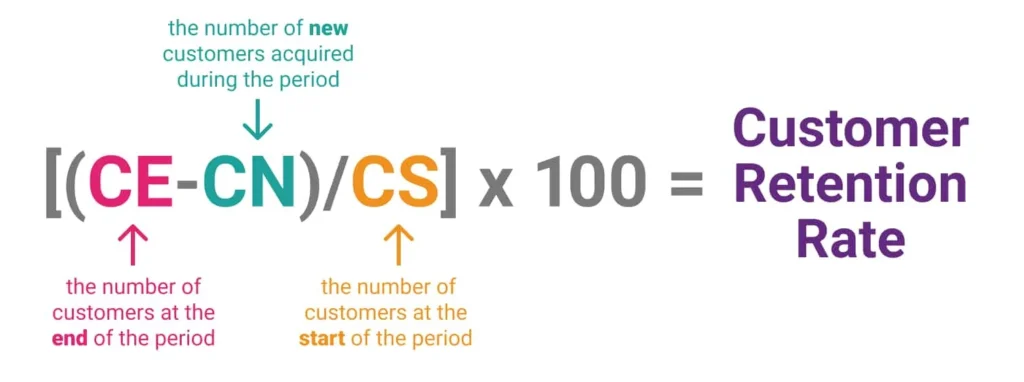
CRR helps Heineken know how successful they are in doing this. Gen Z consumers are raising drawn to lifestyle-based branding in the UK. Heineken has invested in low and no-alcohol beers such as Henken 0.0. Henken sponsored major events like Formula 1 and UEFA League, which helps to build stronger emotional connections with the customers.
Challenges and Recommendations:
Beer is sold through 3rd party retailers, so direct tracking of individual consumers is complex. Multiple UK consumers don’t buy the beer directly from Heineken due to robust market research. Heineken should launch a loyalty or reward program through public, ongoing platforms and the restaurants to track repeat customers and offer key interesting facts.
CLV (Customer Lifetime Value):
CLV estimates how much revenue a business can expect from the target audience and maintain loyalty. Customer Lifetime Value helps firms to understand the relationships and boost one-time sales.
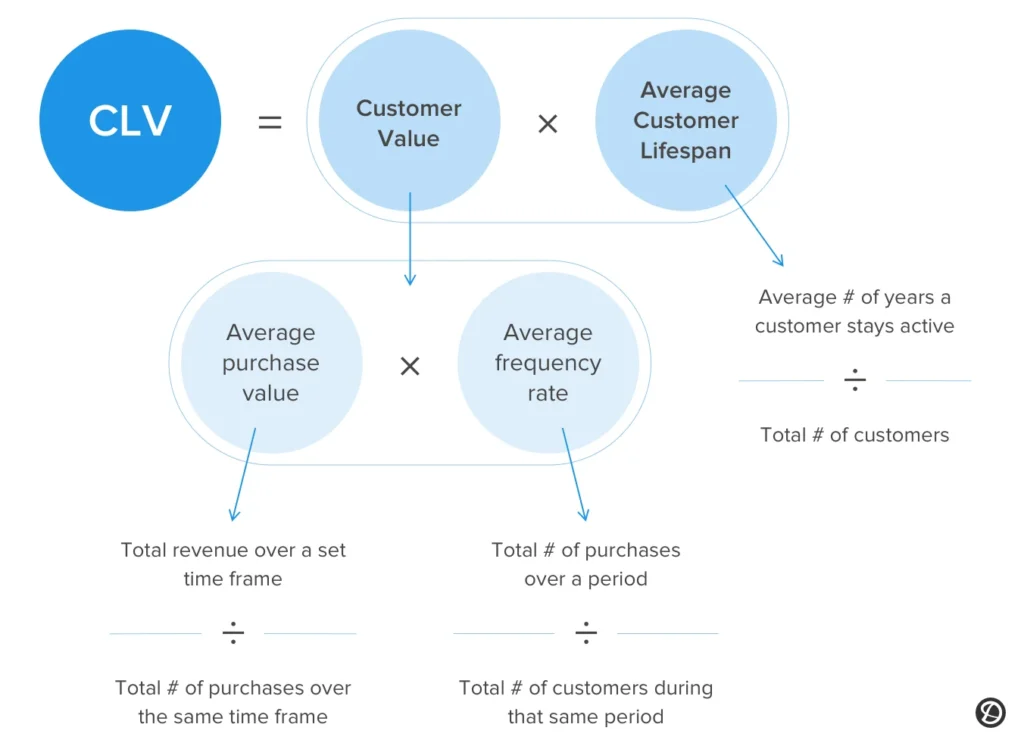
Heineken would involve to knowing the customers that buys beers but how much they spend and how long they stay loyal with brand. Heineken also spends on the advertising and can calculate the affordably to spend the acquiring or keeping each customer.
Challenges and Recommendations:
Customer Lifetime Value is critical to calculate without any data on the customer. Heineken mostly sells the beers through retail stores as well as wholesale distributors. Data privacy laws are another challenge for Heineken that limit how much personal information brands can collect the data.
Heineken should encourage digital engagement with mobile applications and loyalty programs to collect individual-level data.
Task Four:
Overview of Heineken:
Heineken is one of the well-known better firms that is based in the Netherlands and 2nd largest brewer globally with a strong presence in over 190 countries. Heineken owns more than 300 brands, including famous Heineken beer, as well as Tiger and Amstel. Heineken is also known for premium beers that are typically sold in green bottles with the logo of a red star.
Heineken’s Omnichannel Strategy:
Omnichannel Strategy refers to the offering customers with smooth and consistent experience across various ways that they can interact with the brand. Henken’s omnichannel has a goal to make the customer journey seamless and engaging with the entire product.
Physical Stores and Bars:
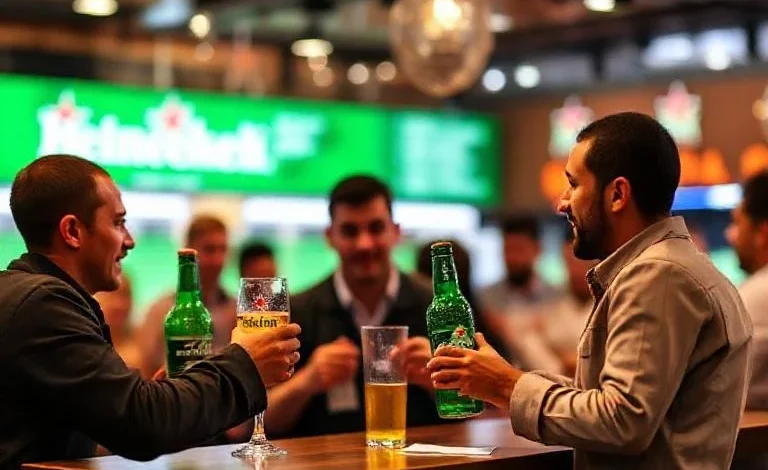
Heineken’s presence in physical retail venue as key element of omnichannel approach. Heineken’s beer and beverage products are available in supermarkets, convenience ships, and restaurants all around the world. Physical Outlets also serve the important brand touchpoint where customers experience the product packaging.
Online Platforms:
Heineken has developed partnerships with various online retailers like Ellen MacArthur and delivery services to make purchasing its products as convenient for customers. Heineken online platforms cater the customers to prefer higher convenience of shopping from home or wants to plan the purchases as ahead of the events and key gatherings.
Heineken’s Deliveries of Seamless Customer Experience Across Channels:
Heineken uses QR codes that allow customers to access exclusive content, games, and interact with physical products using digital engagement. CDPs- Customer Data Platforms collect and unify the data from various touchpoints like social media, stores, and websites.
Heineken’s apps enable users to join the loyalty programs and participate in campaigns with brand engagement. Heineken can build advanced customer relationships with the development of a Customer-Centric Culture, from surveys and innovative products to improving its services.
Challenges and Solutions Heineken Facing in Maintaining the Omnichannel Seamlessness:
| Challenges | Solutions |
| Heineken faced harder to track the individual customer behavior and integrating online and offline data. | Heineken is building digital partnerships with retailers and key device platforms to gain more insights. Loyalty programs are also made by Benecken that encourage customers to engage with the brand. |
| Privacy concerns that limit personalized marketing | Heineken ensures compliance by being transparent about the use of data and offering customers control over entire information. Heineken should use the anonymized data for analytics to protect data privacy. |
| Heineken is facing a challenge to keep consistent across the diverse markets. | Heineken must adapt the campaigns to local culture while maintaining the core brand values. Heineken’s marketing teams work with a global strategy to balance local customization. |
Heineken’s omnichannel approach is very strong and forward-thinking. Heineken uses advanced technology, such as QR Codes, platforms of customer data, and mobile apps, which allows them to link offline and online interactions. Heineken can enhance the seamless customer interaction by expand the loyalty programs and use the emerging technology like AI and Augmented Reality.
Conclusion:
Customer experience indicates the interactions of customers with the brand. Heineken has during CX to help increase sales, build a higher level of customer loyalty, and improve the brand reputation. Customer-centric is the customer at the center of the decision-making.
Corporate Culture, innovations, and key sustainably help to determine the advanced operational concerns to maintain the activities. Heineken targets Gen Z with creative campaigns and digital engagement. Customer journey begins with the online delivery of Heineken and moves to online purchases.
Heineken can measure the Customer Retention Rate as well as Customer Effort Score to examine how customers can engage with the brand. Multiple challenges that Heineken faces in creating an Omnichannel Experience need to be solved by executing better practices. Heineken uses various channels and online platforms to connect with customers.