

Advanced Project Management of Lucy & Yak

The Organisational Context
Overview of Lucy & Yak:
Lucy & Yak, a UK-based fashion brand founded in 2017 by Lucy Greenwood and Christopher Renwick, has made its mark in the sustainable fashion industry. Starting with colorful dungarees sold online, the brand quickly expanded into a direct-to-consumer (D2C) model, with multiple retail stores in cities like Brighton, Norwich, and Manchester.
By 2022, the company reported a revenue of £22.7 million and had approximately 180 employees. The brand’s mission is straightforward: “to create great products that give people joy, and are kinder to the planet and the people that make them”.
At first glance, Lucy & Yak’s mission aligns well with the growing demand for sustainable fashion. However, it’s important to critically examine whether their mission is genuinely focused on sustainability or whether it’s merely a marketing strategy.
The term “sustainability” has been widely used in the fashion industry, sometimes with little to no substantial commitment behind it. Brands, even those claiming to be sustainable, often fall short on critical aspects like supply chain transparency and meaningful long-term environmental impact.
Read more: Advanced Project Management of Unilever
Sustainability Approach:
Lucy & Yak emphasizes its commitment to sustainability by using certified organic fabrics, incorporating deadstock materials, and offering a buy-back program called “Re: Yak” that aims to keep garments out of landfills.
Their approach to sustainability, including using 100% organic cotton and recycled materials, appears commendable at first glance. But here lies the critical question: is this enough to counteract the larger environmental impacts of the fashion industry, or is it simply a well-packaged initiative designed to appeal to eco-conscious consumers?
Lucy & Yak’s circular model through the “Re: Yak” program, which allows customers to return garments for store credit, is an interesting effort towards reducing waste. In 2023 alone, 4,000 garments were diverted from landfills.
However, without a clear understanding of the total energy consumption, waste generated, or labour involved in the circular process, it’s hard to gauge the true environmental benefits. The initiative is a step in the right direction, but it seems more like a marketing tactic than a radical shift in the business model necessary to address the systemic issues of waste in the fashion industry.
Further, while Lucy & Yak has partnered with climate-tech firms like Greenly to measure emissions and installed solar panels in their distribution centre, the company’s overall carbon footprint remains a gray area.
Transparency in emission reductions and the actual lifecycle impact of their products remains ambiguous, and without hard data to back up their claims, it’s hard to ascertain whether these efforts are substantial enough to make a real difference in reducing fashion-related pollution.
Organisational Strategy:
Lucy & Yak’s strategy is rooted in scaling sustainably while promoting ethical practices. However, the company’s growth risks undermining its values. While sustainability and eco-friendly products are central to its mission, as per Porter’s Five Forces, expanding into new markets exposes Lucy & Yak to competition from larger brands that can adopt similar sustainability strategies without compromising on price.
Certifications such as GOTS and GRS are commendable, but are insufficient without continuous innovation or more detailed audits of the entire supply chain.
Lucy & Yak’s reliance on these certifications also raises questions about whether they are genuinely committed to sustainability or merely complying with industry norms.
Influence of Organisational Strategy on Project Success:
Lucy & Yak’s strategy aligns with several UN SDGs, particularly SDG 12 (Responsible Consumption and Production), SDG 13 (Climate Action), and SDG 8 (Decent Work and Economic Growth).
Their Re: Yak program supports SDG 12 by encouraging recycling, and their efforts to reduce carbon emissions align with SDG 13. However, the brand’s actual impact on these goals is uncertain without more transparency and measurable results.
Table 1 Lucy & Yak SWOT Analysis
| Strengths: Strong brand identity around sustainability; loyal community; diverse product line; transparent supply chain; certifications (GOTS, FLA); agile operations (4-day week, remote work flexibility). | Weaknesses: Limited scale/capital compared to fast-fashion giants; higher price points; reliance on UK/EU markets (vulnerable to economic shifts). |
| Opportunities: Expansion into new international markets; growth of e-commerce; increasing consumer demand for ethical fashion; potential B Corp certification; partnerships (e.g., with non-profits, eco-tech firms). | Threats: Intense competition from larger retailers (fast fashion or other sustainable brands); supply chain disruptions (COVID, geopolitical issues); changing regulations on textiles; consumer “eco-fatigue” if claims are questioned. |
SWOT analysis highlights the brand’s strength in its loyal customer base and commitment to sustainability.
Yet, its weaknesses, such as high price points and limited scale, threaten its ability to compete in the broader market. Porter’s Five Forces illustrates that while Lucy & Yak differentiates itself through sustainability, its smaller scale makes it vulnerable to competitive pressures.
Influence of Organisational Structure on Project Success:
Lucy & Yak operates with a flat organizational structure, which fosters creativity and quick decision-making—qualities that benefit innovation in sustainability.
However, as the company grows, maintaining this structure may hinder operational efficiency and accountability. Argues that as organizations scale, they must formalize their structure to avoid losing focus.
Despite having a flat structure, Lucy & Yak’s decision-making is guided by external standards such as Sedex audits and FLA membership, providing some oversight.
Still, as the company scales, more formal governance is needed to ensure transparency and ethical standards are maintained.
Cultural and Ethical Considerations:
The culture of Lucy & Yak is based on inclusivity, creativity, and ethics. The fair labour practices and employee well-being have been an important aspect of the company, as seen in the 30-hour workweek, which creates a positive and motivated workforce.
Nevertheless, such cultural values can be washed away by rapid growth as points out. Although the company encourages ethical sourcing and labour, the expansion may jeopardize the same as cost may become a priority.
However, the company has managed to earn credibility in an industry that is filled with exploitation through its focus on transparency and community.
The culture enables Lucy & Yak to effectively communicate with its customers in order to spread the sustainability message by incorporating community-based activities such as the Re: Yak program and charitable giving.
Recommendations:
To enhance its alignment with the SDGs, Lucy & Yak should adopt a more formal governance structure. A dedicated board would ensure that sustainability initiatives are thoroughly assessed and that the company remains accountable as it grows.
Furthermore, expanding supply chain transparency is critical. Beyond certifications, Lucy & Yak should regularly report on environmental impacts, such as carbon emissions reductions and waste management, to strengthen its sustainability claims.
The company should also maintain its flat structure but integrate formal project management frameworks to help manage larger initiatives as they scale.
While the flat structure has encouraged creativity, implementing a more structured approach for project selection and execution will ensure that sustainability remains a priority as the business grows.
Lastly, Lucy & Yak should continue to innovate in sustainability by adopting new circular economy practices and exploring alternative models of consumption, such as rental or clothing repair services, to deepen its impact on SDG 12.
Project Selection Best Practices
Project Selection Process at Lucy & Yak:
Lucy & Yak’s approach to project selection, particularly regarding sustainability initiatives, remains somewhat opaque. The company often touts its commitment to sustainability and circularity, but there is little publicly available information detailing how specific projects are selected or evaluated.
The company likely follows an informal selection process, guided by its values of sustainability, community, and creativity. However, relying on an informal approach, especially as the company scales, raises significant concerns regarding consistency and effectiveness in choosing projects that will have the greatest impact.
The company’s Re: Yak program, which allows customers to return used garments for store credit and ensures they are either resold or recycled, stands as one of its flagship sustainability projects. While this program does align with SDG 12 (Responsible Consumption and Production), its execution and long-term impact are unclear.
For example, how does Lucy & Yak assess the program’s cost-effectiveness? What metrics are used to measure its success beyond the number of garments collected? Without clear criteria or robust project management frameworks, the company risks overlooking other opportunities for impact.
The company’s supply chain sustainability efforts, which involve ethical sourcing and certification schemes, also lack transparency in terms of the selection process for suppliers and partners. The choice of working with certain suppliers or becoming a member of groups such as the Fair Labor Association is probably made based on the values of the company, which could be improved by a more systematic project selection process to evaluate the contribution of these alliances to the long-term sustainability objectives.
Global Project Selection Best Practices:
Project portfolio management (PPM), benefit-cost analysis (BCA), and multi-criteria decision analysis (MCDA) are the best practices that every organization needs to consider in order to align its projects with its strategic objectives.
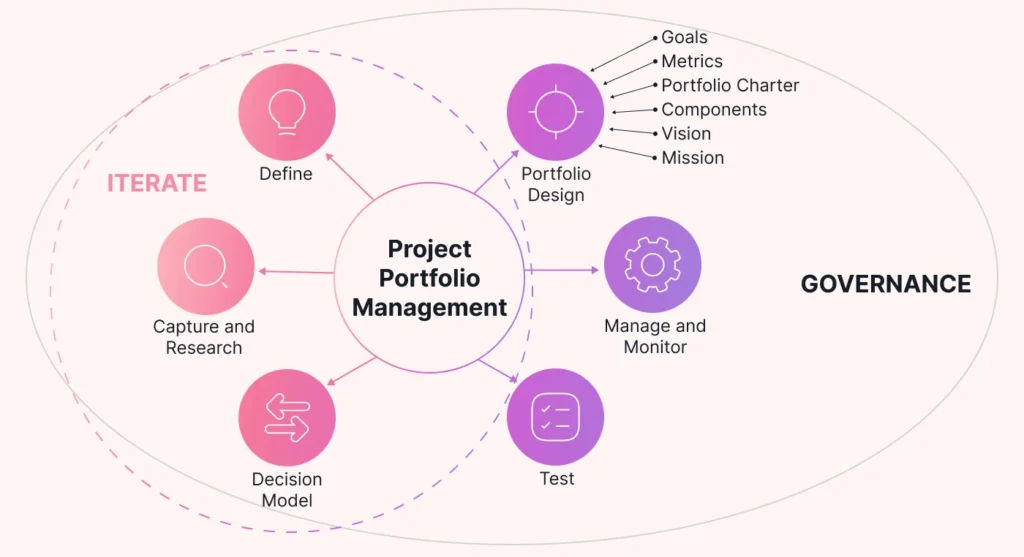
PPM plays a key role in prioritizing the project based on its alignment with the business strategy, resources, and long-term goals. Such an approach may assist Lucy & Yak in reflecting on how such initiatives as Re: Yak or a new product launch correspond to the core business and sustainability goals.
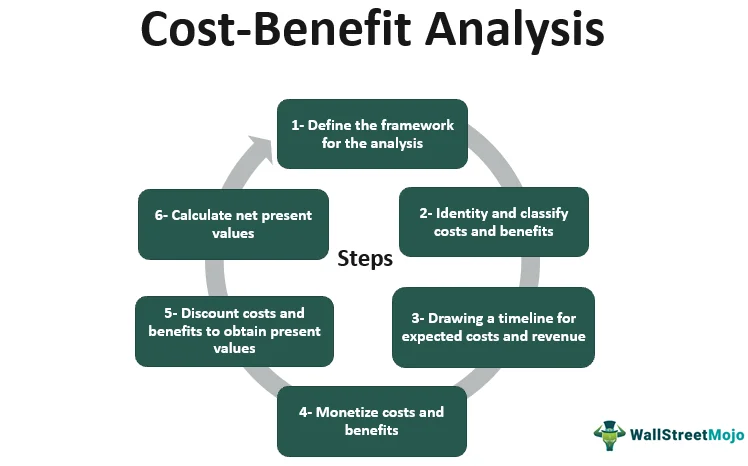
Another important tool is BCA, which identifies whether the expenses of a project are reasonable in comparison with benefits. Using the example of Lucy & Yak, the company can use BCA to determine whether the costs of implementing the Re: Yak program justify its environmental or customer interaction. Both financial and non-financial results evaluation will help to make sure that the projects are not only sustainable but also viable in the long term.
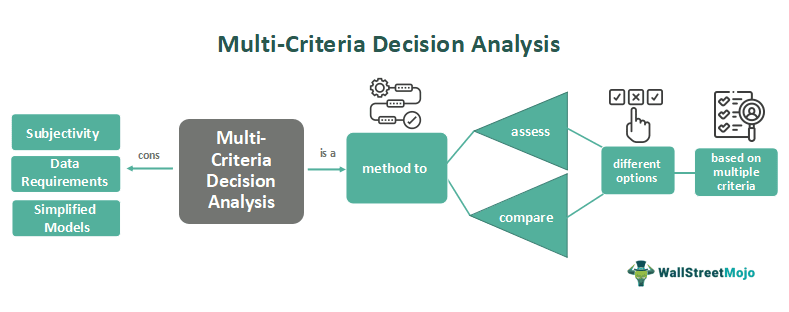
MCDA is especially applicable to projects where trade-offs are possible among different factors, including environmental impact, customer benefit, and cost. In the case of Lucy & Yak, MCDA may be used to prioritize projects that support more than one SDG, so that every project can be balanced between business and social and environmental goals.
The international fashion giants, such as Patagonia and Stella McCartney, have managed to incorporate these frameworks into project selection. Both brands employ PPM to determine the project’s suitability in the long-term environmental objectives, whereas BCA and MCDA assist in measuring the financial and social benefits of new projects.
Through these practices, Lucy & Yak will be able to enhance its capacity to choose high-impact sustainability projects such that every project will contribute value to the company and the environment.
Application to the Case Study:
Adapting global best practices to the UK context presents both opportunities and challenges. The UK’s push toward a circular economy creates a favourable environment for sustainability initiatives like Re: Yak.
However, regulatory requirements and consumer demand for sustainable fashion vary. While the UK government has made strides in sustainability, fashion still faces challenges related to textile waste, emissions, and labour conditions. The brand’s commitment to SDG 12 by promoting circularity is a step in the right direction, but it may not be enough in an industry that is predominantly focused on fast fashion.
Consumer demand for sustainable products is growing, but it remains a niche market. Many consumers are unwilling to pay a premium for eco-friendly clothing, and Lucy & Yak’s relatively high price points could limit the program’s reach.
The brand’s market segmentation strategy is key: targeting eco-conscious consumers is valid, but this narrow focus risks excluding potential customers who may be interested in sustainable fashion but are reluctant to pay extra for it.
As Porter’s Five Forces shows, the company is under considerable pressure from competition with fast-fashion leaders as well as other environmentally friendly fashion brands, which causes a conflict between profitability and the need to stay ethical.
Lucy & Yak must strike a balance between its growth and sustainability mission in such a way that its projects are not only driven by short-term profitability but also aligned with long-term environmental and social goals.
Project Selection Model Recommendations:
With Lucy & Yak, a Weighted Scoring Model (WSM) offers a good method of project assessment. The WSM allows the company to assign scores to various projects based on several criteria, including compatibility with SDGs, financial profitability, and social value.
The model provides a clear and systematic method of project selection in a manner where the company will deploy its resources in the projects that will make the most impact both in business and sustainability goals.
Otherwise, a SWOT-based selection model can also apply to Lucy & Yak. This model would look at projects based on the internal ability (e.g., brand loyalty, ethical sourcing) and external opportunities (e.g., growing demand for sustainable products) of the company.
It would also assist in overcoming the possible weak spots, including high prices and low market penetration, as projects should not only be related to the core competencies of the company, but also to overcome external risks, including competition with bigger brands.
Recommendations:
The following are steps Lucy & Yak can use to enhance their project selection process:
Formal Project Selection Process:
Lucy & Yak ought to employ planned tools such as Project Portfolio Management (PPM), Benefit-Cost Analysis (BCA), and Multi-Criteria Decision Analysis (MCDA) to choose projects. These tools will assist in ensuring that selected projects will assist the company to achieve its business objectives as well as its sustainability.
Expanding Sustainability Criteria:
In project evaluation, economic viability and social worth must be taken into account, along with the consideration of environmental impact. The priority should be projects that have long-term environmental advantage, even when they deliver minor short-term returns. But this can at times contradict short-term business goals.
Conducting Market Research:
Lucy and Yak ought to conduct market research, consumer behavior, and emerging regulations to stay on par in the sustainable fashion industry. This will help the firm to correct its project selection criteria and be sensitive to market changes.
Collaborating with Experts:
Project decisions can be enhanced by working with specialists in sustainability, industry leaders, and NGOs. Third-party advice can assist Lucy & Yak to choose more effective projects, adhere to the best practices worldwide, and have a greater positive impact on people through its sustainability efforts.
Building and Leading Successful Project Teams
Leadership Factors Influencing Project Success:
Leadership is very instrumental in the success of projects, and in the case of sustainability projects, the long-term objectives may clash with short-term business interests. For Lucy & Yak, leadership styles significantly influence the success of its sustainability-driven projects, especially as the company grows.
Leadership Styles:
The transformational leadership style is often celebrated for inspiring employees by aligning their values with the company’s mission, which is vital in sustainability projects. However, while this style promotes creativity and strong employee engagement, it can also fail if the leader doesn’t provide clear direction or accountability.
Lucy & Yak’s founders, adopting a transformational approach, motivate employees with their vision of sustainability. However, this could lead to over-dependence on the founders, especially in large projects where structure and clarity are crucial. Situational leadership, where leaders adjust their approach based on the team’s maturity, may be better suited for Lucy & Yak. However, without clear leadership roles, situational leadership is challenging to implement, risking inefficiencies.
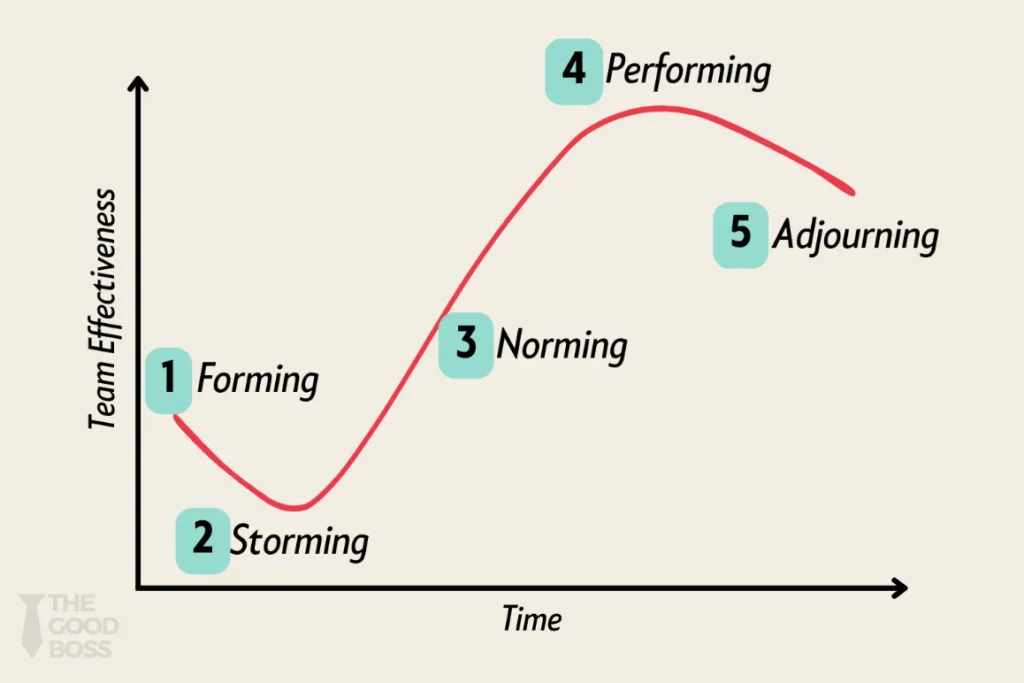
Effective team dynamics are crucial for project success. Tuckman’s stages of team development suggest that teams go through phases of forming, storming, norming, and performing. At Lucy & Yak, the informal structure may hinder effective teamwork, as role ambiguity and lack of hierarchy could slow progress during the storming phase.
While creativity is valued, clear role definition and accountability are necessary for efficient execution. Belbin’s team roles It could help streamline teamwork, ensuring that members know their strengths and responsibilities. However, without formal leadership, these roles may not be clearly defined, leading to inefficiencies and missed opportunities.
Project Manager’s Leadership Style:
Current Leadership Style:
Lucy & Yak’s leadership, primarily driven by the founders, reflects a transformational style. Lucy Greenwood, in particular, is hands-on, fostering personal relationships with employees and suppliers, which aligns with the company’s culture of transparency and sustainability. While this leadership style nurtures strong loyalty and trust, it may not be sufficient to drive the company’s large-scale sustainability projects.
The flat organizational structure makes it difficult for project managers to have the authority necessary to execute projects effectively. Without a clear hierarchy, there’s a risk that important projects, particularly those requiring interdepartmental collaboration, will lack the focus and direction they need to succeed.
Recommended Adaptation:
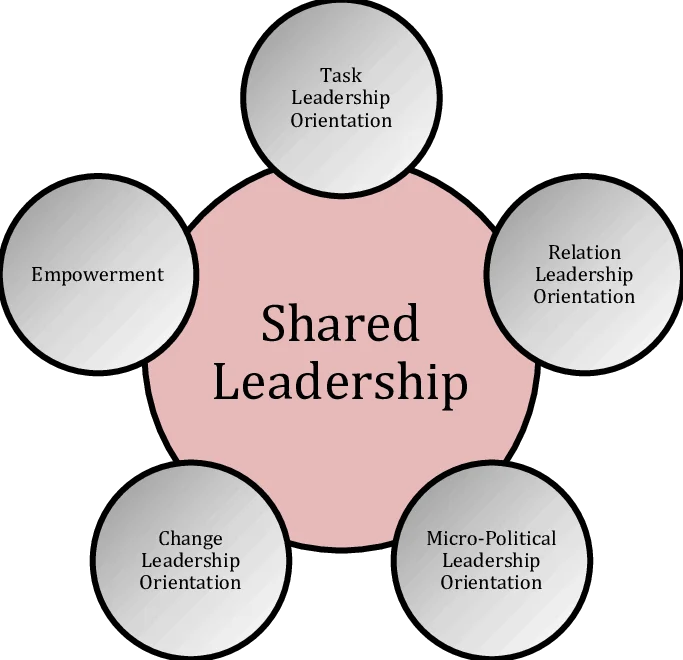
Lucy & Yak would benefit from adopting a shared leadership model, where leadership responsibilities are distributed among team members. This would allow the team to leverage their diverse skills, particularly on larger projects. A situational leadership approach would also help, where project managers adapt their leadership style based on the needs of the team and the project’s stage.
In the early stages of project development, a more directive leadership style would be necessary to define roles and responsibilities, but as the team matures, a more delegative approach would allow members to take ownership and drive the project forward.
Adopting shared leadership or situational leadership would help Lucy & Yak build stronger, more self-sufficient teams, particularly as they scale and take on more complex sustainability projects.
Team Building and Collaboration:
Fostering Collaboration:
Effective collaboration is key to delivering sustainability projects. Lucy & Yak’s flat structure encourages informal communication, which can help foster creativity and innovation. However, as the company expands, this informal setup may lead to role ambiguity and a lack of accountability, especially in large, complex projects.
Tuckman’s model suggests that clear role definition and responsibility are critical to overcoming the storming phase and moving towards effective collaboration. Formalizing roles and responsibilities would reduce confusion and help the team work more cohesively. The project manager must ensure that team members understand their contributions to the sustainability goals, whether through regular feedback or structured planning.
Conflict Resolution:
Conflicts are inevitable in any project, especially when balancing creative ideas with practical business considerations. Suggests that in sustainability projects, where different values often collide, conflict resolution strategies are essential. For Lucy & Yak, the project manager should encourage open dialogue and use mediation techniques to resolve conflicts.
Given the company’s focus on ethical practices, conflict resolution must align with the company’s values of fairness and transparency. Effective conflict resolution will prevent internal disagreements from derailing progress on sustainability initiatives.
The leadership must also ensure that team members remain focused on the company’s overall mission, so disagreements over logistics or design don’t distract from the broader goals of SDG alignment.
Recommendations:
Leadership Development Programs:
Lucy & Yak should implement leadership development programs focused on situational leadership, shared leadership, and conflict resolution. These programs would help project managers adapt their leadership style to the needs of their team and project.
With the company’s growth, formalizing leadership roles and empowering team members to take on leadership responsibilities would ensure that sustainability projects are executed effectively.
Clear Role Definitions:
As the company scales, role definition and accountability become even more critical. Lucy & Yak should develop clearer job descriptions and team roles, especially for large, cross-functional projects. Formalizing these roles will reduce ambiguity and ensure that team members are aligned with the company’s goals.
By providing structure to the creative process, teams will be able to move through the storming phase more quickly and focus on achieving sustainable outcomes.
Improved Conflict Management:
Given the values-driven nature of the company, Lucy & Yak must embrace open conflict resolution strategies. By creating a safe environment where team members can voice their concerns and resolve disagreements, the company will avoid internal tensions that could undermine the success of sustainability projects. This is according to the model by Tuckman, and therefore, conflict is not left out, and it does not slow down the team.
Cross-Functional Collaboration:
Lucy & Yak should encourage more interdisciplinary teams to collaborate in sustainability initiatives to increase collaboration. Such teams ought to have the representation of design, sourcing, marketing, and operations so that all views are taken into consideration during decision-making.
This way, the company will not only create a better internal collaboration but also increase its capacity to deal with sustainability issues throughout the business.
Leadership is at the heart of the success of sustainability projects at Lucy & Yak. Although the transformational leadership of the founders has resulted in a high level of purpose and involvement, the company’s expansion now requires a more organized and dynamic leadership strategy.
The use of situational and shared leadership models can help achieve more efficient project implementation, particularly in cases of complex, cross-functional projects. Team dynamics also need to be discussed; teams have to be led through developmental stages and made responsible with clear roles and responsibilities.
Additionally, a positive approach towards open collaboration and conflict resolution will further strengthen the team and result in the fulfillment of sustainability goals. Some of the methods that Lucy & Yak can use to ameliorate the project outcomes include practical leadership training, job role definitions, and better conflict management strategies.
The changes will not only assist the sustainability objectives of the company but also form good teams that can withstand the odds and leave a lasting impact. The future success of the projects will rely on a careful balance of creativity, structure, and shared ownership.
Project Planning and Scheduling Techniques
Overview of Project Planning and Scheduling Techniques:
In the case of Lucy & Yak, project management is to be effective in its sustainability, as well as within the constraints of the needs of operational efficiency. The two primary approaches to project planning and scheduling, Waterfall and Agile, are characterized by both certain benefits and drawbacks, particularly in the environment of the sustainability-based project.
Waterfall Methodology:
The waterfall model constitutes a linear project management model where the successful completion of a single step should lead to another. This is the most appropriate when dealing with projects that are defined in terms of objectives and timelines, e.g., supply chain improvements or new store openings.
Waterfall assists Lucy and Yak in ensuring that these activities, such as locating a lease, acquiring environmentally friendly materials, and opening a building, are done in a logical and predictable order.
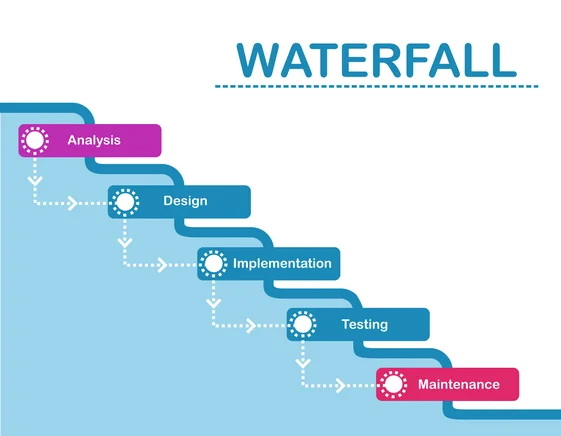
The primary disadvantage of Waterfall, though, is its rigidity. The sustainable fashion world is ever evolving, and the source of material or the regulations may change, and this is something that Waterfall cannot accommodate. Failure to be flexible in adapting to such changes may prevent the successful execution of sustainability projects, which have to be iterated continuously.
Agile Methodology:
Agile approach, in its turn, is focused on flexibility, adaptability, and iterative development. The approach is perfectly applicable to such projects as product design or innovation, where continuous feedback and modification are crucial. In the case of Lucy & Yak, Agile enables the company to respond swiftly to emerging trends in sustainable materials or changes in customer demand for eco-friendly fashion.
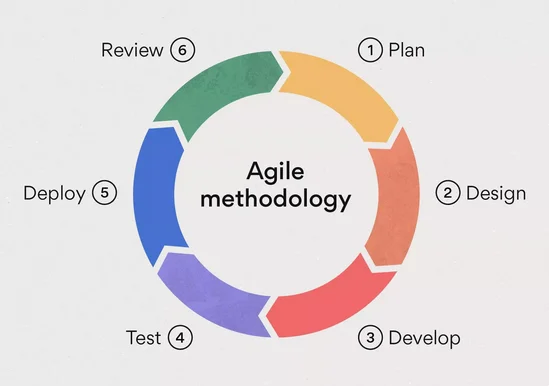
The primary disadvantage of Agile, though, is that it is not structured. Agile is flexible and thus can be hard to control projects where the budget is fixed, the timeline is strict or resources are defined. In bigger and more formal projects, such as opening stores or redesigning supply chains, Agile might not provide control to meet deadlines or keep within budget.
Critical Path and Critical Chain Scheduling:
Critical Path Method (CPM):
Critical Path Method (CPM) is a vital project management tool in a project where the tasks are interdependent, like opening a new store. CPM can be used to determine the longest chain of dependent activities in the case of Lucy & Yak, and make sure that the delay in any of the activities does not stretch the project schedule. In case of a store opening, the milestones that would be critical on the path would be finding a location, designing the store, finding sustainable materials, and staffing.
Nonetheless, CPM is also too rigid, which restricts its flexibility. New store openings or other large-scale supply chain projects are commonly hit by unanticipated difficulties like supplier delays, permitting problems, or material shortages. The inability of CPM to accommodate such changes may result in delays and inefficiencies, especially for those projects whose environmental and logistical factors are uncertain.
Critical Chain Project Management (CCPM):
Critical Chain Project Management (CCPM) is better than CPM because it introduces buffers to address the uncertainties in resources and project delays. CCPM is more flexible in a project such as the opening of a new store, where the availability of resources and the disruption of the supply chain are usual.
Buffers will allow making sure that the delay in one of the areas (e.g., material sourcing) will not ruin the whole project. Such an approach may be especially helpful to Lucy & Yak, as the brand faces the difficulties of finding sustainable materials or dealing with supply chain volatility.
Although it is flexible, CCPM creates complexity. Teams can feel overwhelmed when handling several buffers, particularly in the case of a larger project.
Moreover, the need for precise resource management and scheduling may lead to inefficiencies, especially if the company lacks the systems or experience to manage CCPM’s detailed planning.
Suitability for Project Environments:
Agile for Product Development:
Agile is particularly suited to product development projects at Lucy & Yak, where rapid adaptation to market needs is crucial. Fashion trends change quickly, and consumers’ growing preference for sustainable products means that Lucy & Yak must continuously innovate.
Agile’s iteration cycles allow the brand to design, prototype, and test new sustainable products with direct customer feedback. This approach enables Lucy & Yak to quickly adjust to changes in sustainability needs or product demand, staying ahead of the market.
However, while Agile’s flexibility is an advantage in product development, it becomes a liability when applied to projects that require strict timelines, budgets, or complex resource allocation, such as supply chain improvements.
For large-scale projects with multiple stakeholders, Agile’s lack of clear milestones and final deliverables can lead to confusion and inefficiency.
Waterfall for Large-Scale Implementation:
Waterfall is more suitable in structured projects, such as the enhancement of the supply chain or retail expansion. Such projects need a definite flow of operations, e.g., the purchase of materials, production of goods, and delivery to stores.
In the case of Lucy & Yak, the redesign of the supply chain, which might require considerable investments in new sustainable technologies, requires close planning and resource distribution. The methodical nature of Waterfall would mean that all work is done in an orderly way without any delays in deadlines or budgetary needs.
Nevertheless, Waterfall is rigid and hence cannot readily adapt to any changes in the supply chain or any delays in material sourcing. In case of the introduction of new regulations or the inability of suppliers to meet the deadlines, Waterfall might not be able to adapt to the changes without major delays.
Recommendations:
Considering the advantages and the disadvantages of Agile and Waterfall, Lucy & Yak would be better served with a combination of the two approaches to project planning and scheduling.
Agile in Product Innovation:
In terms of product innovation, especially when it comes to the development of sustainable fashion products, Lucy & Yak must keep the flexibility of Agile to quickly respond to new materials, customer suggestions, and sustainability trends.
The application of Agile to rapid prototyping, iterative design, and customer testing will enable the company to be on top of the market trends and address the changing requirements of sustainability.
Waterfall on Operational Projects:
Waterfall is the most appropriate for more resource-intensive and structured projects, such as opening new stores or enhancing the supply chain. Such projects need a clear timeframe, resource distribution, and results that are predictable, and Waterfall is very good at managing.
Waterfall is a structured process that guarantees that the company is meeting deadlines and keeping within the budget when carrying out larger and complex sustainability projects.
Enhancing Scheduling Methods:
To efficiently work with the two types of projects, Lucy & Yak ought to consider the use of Critical Path Method (CPM) and Critical Chain Project Management (CCPM). CPM will assist in the determination of the major milestones and dependencies in operational projects so that delays in critical tasks are prevented.
The introduction of flexibility and consideration of resource constraints can be done with the help of CCPM, especially when it comes to sustainability-related projects, where the delays in acquiring eco-friendly materials or production plans are frequent.