

Internal and External Environment of Netflix

Internal and External Environment of Netflix: According to Ashburn, more over 190 countries have 200 million users to Netflix, a global streaming network that offers a diverse selection of films, original content, series, and documentaries. In 1997, the company began offering DVD rentals. By 2007, they had transformed the entertainment sector by transitioning to online streaming.
With data-based personalization and critically acclaimed series like The Crown and Stranger Things, the company has grown into a digital content powerhouse. It uses cutting-edge tech and creative production to stay ahead in the crowded streaming market.
In response to an invitation from the CEO, I am currently serving as a business advisor at Netflix’s headquarters in the United States. The task involves an assessment of the Netflix strategy while preparing a business report about upcoming growth strategies and sustainability possibilities for Europe, Africa, Middle East and Asia.
Two sustainable competitive advantages are included in internal and external analyses for the initial task. A modification of strategies exists in task two to enhance expansion potential within additional geographic regions. The solutions presented in task two will help Netflix maintain its global supply chain operation.
Read more: Leading Through Digital Disruption of Amazon
Task 1: Internal Environment Analysis:
VRIO Analysis:
To determine if a business can maintain a competitive edge over the long term, this strategic tool assesses the organization’s strengths and weaknesses. Value, Rarity, Imitability, and Organization are the four metrics used to assess Netflix. Using this methodology, Netflix was able to pinpoint its core competencies and better coordinate their company strategies.
Valuable:
Stranger Things and The Crown represent original content which adds significant value through their ability to maintain subscriber interest across the wide library selection. The app uses power of data analytics via algorithmic suggestions which increases satisfaction rate of user as well as customer loyalty.
Rare:
The capability of Netflix to successfully produce first-class data-driven original content in large quantities remains scarce to the industry. A limited number of rivals attempt to duplicate Netflix’s wide market presence and specific content selection for variable customer demographics.
Imitable:
A great deal of funding coupled with their machine learning mastery makes it difficult for others to duplicate their recommendation engine. Disney+ and Amazon Prime Video operate in different regions but they seem to be creating their versions of this approach.
Organized:
The company maintains effective organization to maximize its resource usage. The company retains its competitive edge via its data-driven content generation models mixed with user insights collection and its advance cloud-based distribution system.
Table 1: Showing VRIO Analysis of Netflix
| Resource/Capability | V | R | I | O |
| Library of Original Content | Yes | Yes | Yes | Yes |
| Suggestion Algorithm | Yes | Yes | Yes | Yes |
| Distribution Network | Yes | No | No | Yes |
| Data Based Content Strategy | Yes | Yes | Yes | Yes |
| Brand Reputation | Yes | Yes | No | Yes |
| Subscription Pricing Strategy | Yes | No | No | Yes |
YIP’s Model:
It is a framework which is used to analyze the major drivers of globalization in an organization. It allows businesses to evaluate how global forces affect their strategies and business operations. There are four drivers of globalization which are as follows;
Market Drivers:
Increased worldwide demand for diverse content allows Netflix to standardize branding whereas capturing to regional demands.
Cost Drivers:
AI-based suggestions allow to best utilize content acquisition and minimize per-user costs.
Government Drivers:
Regulations including taxation, licensing restriction need Netflix to follow its strategies in various markets.
Competitive Drivers:
Severe competition from major players in this domain such as Amazon Prime and Disney+, along with local players is putting pressure on Netflix to invest in localized content and strategic alliance.
External Environment Analysis:
PESTEL Analysis:
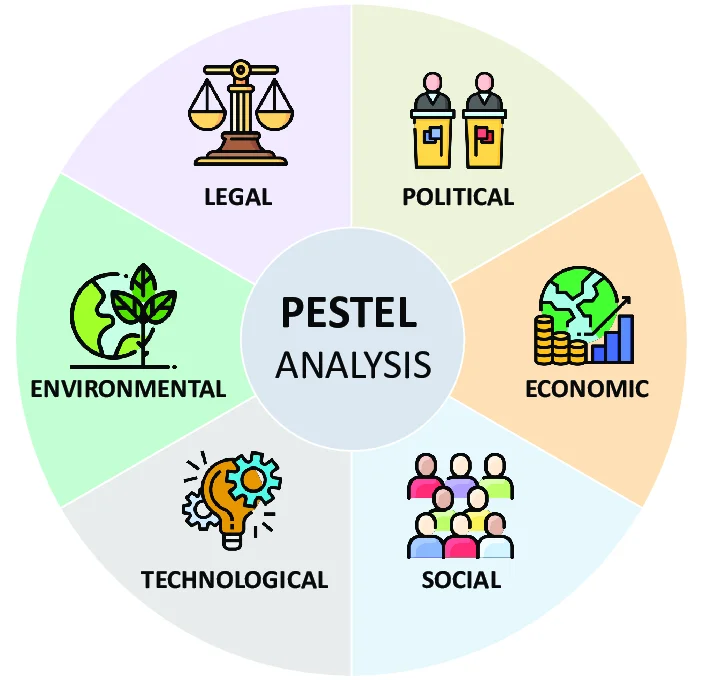
It is a strategic tool which uses external factors that may impact an organization. It majorly consists of six key areas which has been explained below. Using PESTEL analysis, by taking stock of the opportunities and risks in its external environment, Netflix may devise plans to ensure its growth is consistent and competitive.
Political:
The global operation of Netflix exposes the company to different governmental regulations regarding data protection and censorship as well as fiscal policies in each country it serves. The international operations of the company may experience interruptions from political or trade instability. The country’s content limitations present an expansion possibility to Netflix.
Economic:
The prices Netflix charges its subscribers face changes throughout different countries as a result of exchange rate fluctuations which modify its revenue performance. A downturn prompts customers to choose lower-priced alternatives which poses challenges for Netflix to advance its market expansion.
Social:
Consumer preferences that require on-demand changes together with dynamic content help support Netflix’s business approach. The company dedicates funding to restricted content operations for Korea and India to develop cultural connections with their consumer base.
Technological:
The organization has implemented forward momentum by developing superior internet infrastructure and utilizing cloud computing and artificial intelligence in its operations to transition into a technical company. Statements indicate the company needs to link itself to emerging technological advancements if it wants to maintain leadership position against competitors.
Environmental:
The company set its objective to achieve net zero emissions by 2022. The company invests in renewable energy platforms as part of its plan to deal with energy consumption and environmental concerns.
Legal:
Operation of Netflix relies on three essential factors that include licensing agreements alongside protection of intellectual laws and privacy regulations. Legal challenges involving privacy data expose both damage brand reputation and require large financial cost.
BCG Matrix:
An organization’s product portfolio can be assessed using this strategic tool, which takes market growth rate and relative market share into account.
Table 2: Showing BCG Matrix for Netflix
| Category | Definition | Netflix Example |
| Stars | High market growth, high market share | Netflix Originals such as Squid Game, Stranger Things – High potential investment and high growth |
| Cash Cows | Low market growth, high market share | Subscription model in mature markets such as Europe and North America – Generates steady revenue with low investment |
| Question Marks | High market growth, low market share | Emerging Markets including Africa, Southeast Asia and India – Strong local competition but high potential |
| Dogs | Low market growth, low market share | DVD Rental Business – No future growth, declining demand |
Competitive Advantages:
Original Content Production:
The company presents high-quality original content which is valuable and rare while being difficult to duplicate and efficiently organized. Notes produced to meet dynamic markets allow the company to deliver worldwide content which builds customer loyalty and engagement. The strategic approach makes Netflix stand apart from its rivals in established and emerging markets.
Technology-Based Innovation:
With the help of advanced algorithms blend with global streaming environment, the company delivers rare value that looks as a barrier to rivals. The company is investing into its AI and cloud technology to increase quality of streaming while offering scalability and bettering customer experience. Through its worldwide expansion Netflix has gained the ability to meet consumer needs and technological progress.
Task 2:
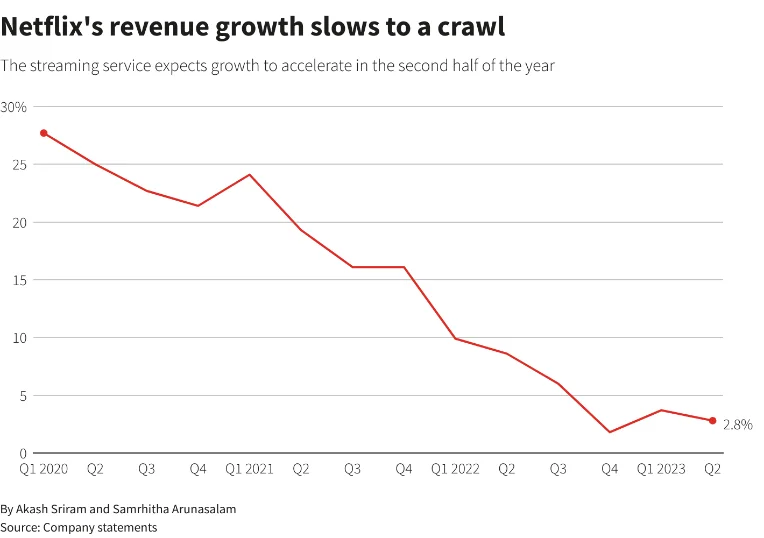
The company needs to focus on its expansion strategies rather than enhancing existing strategies because of major important factors. The saturated market conditions present in the United States and particular European territories create difficulties for Netflix through saturation challenges.
The expansion opportunities in these regions have diminished because competition has escalated. A large number of streaming subscribers in these regions have already chosen Netflix as their preferred service. The market has proven to be challenging for Netflix because subscribers have made payments to competing providers or are using services from satisfied competitors.
If Netflix desires growth with additional subscribers the company should concentrate on new untapped markets as a foremost option. The company can expand revenue and subscriber numbers while services demand goes up through this method.
The ability of company to enter into Southeast Asian and African and Latin American which are considered as emerging markets is significant. The regions demonstrate high demand for digital content because they have numerous tech-aware young people who regularly access internet platforms.
Early market penetration by the company will build strong market presence to resist any potential competition from Netflix or other streaming providers. Newcastle establishes lasting consumer relationships in these regions since local competitors lack effective competition against the company. Netflix needs no aggressive or resource-intensive approach to enter these markets because they can succeed with their existing methods.
The company should pursue new markets which will boost its revenue streams. The current Netflix business faces specific market challenges particularly during times of economic downturns or changes in market patterns.
Further market entry provides Netflix with reduced dependency on any specific market segment. Entry into new markets allows Netflix to maintain financial balance if one market experiences downturns since it can continue leading markets which remain stable. The company’s worldwide market position serves as an advantage due to which they are not dependent on regional market growth or decline.
Strategic Partnerships for Local Expansion Model:
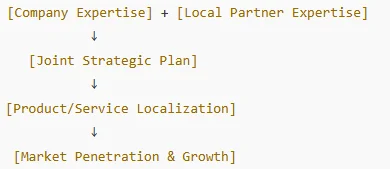
The strategy relies on proper collaboration between a company and accessible local entities to establish market presence. Organizations that want to lead their markets through unpredictable economic, cultural and regulatory environments should use this model to make resourceful decisions.
With the help of local professional assistance, the companies optimize their market entry risks and builds locally-affective solutions.
Key Elements:
Market Analysis & Research:
The first step of strategic partnership formation involves identifying both challenges and opportunities that exist in a particular market. An analysis must be performed on how local consumers behave while understanding their preferences and their market competitors.
Detailed market research allows businesses to connect with partners whose capabilities will boost their parent organization’s capabilities.
Selection of Partner:
The foundation of a successful partnership exists in working with an appropriate local company. A successful partnership exists between distributors and technology providers as well as government agencies and marketing professionals.
A company should analyze three essential elements when choosing business partners including their strengths and reputation and goal alignment.
Joint Utilization of Resources:
In partnerships the resources get combined under joint agreements which include workforce and capital and technology assets. Through resource sharing partnerships companies manage to decrease their individual workload and create operational combinations that both save costs and improve speed of execution.
Market and Cultural Adaptation:
The collaboration with local partners provides dynamic partners with essential information about regional customer preferences and language along with cultural subtleties. The information enables companies to update their products or services.
Regulatory Navigation:
Localization partnerships with local allies assist companies in fulfilling their legal requirements as well as reducing their legal exposure.
Monitoring of Performance:
Partnerships require both collaborative work and output monitoring that depends either on established metrics or changing market circumstances.
Advantages:
The advantages consist of;
- Companies use established networks and customer bases through such partnerships to cut down their market entry time.
- New market infrastructure development requires few initial financial inputs as well as less material resources.
- Business partnerships help organizations handle significant threats like political instability in addition to uncertainties and cultural blunders.
- Market recognition and consumer commitment are both boosted by a product that is well-received by the local population.
Challenges:
When people’s priorities and expectations are different, disagreements are possible.
- When the company’s operations are managed by local partners, its bargaining power is diminished.
- Management challenges might occur when organizations face differences between cultural and operational and organizational practices.
- Any unethical activity performed by a local partner that is exposed to the public might damage the company brand reputation.
Table 3: Showing Key Elements of Model
| Step | Action |
| Market Analysis | Estimate main markets and reflect entry barriers |
| Partner Selection | Go for those partners whose presence in the market and expertise aligns with company goals |
| Agreement Formation | Negotiate the means of collaboration, roles and revenue-sharing |
| Execution | Utilize approach of shared resources and localized strategies in introducing operations |
| Evaluation | Keep monitoring the performance metrics and adopt organizations strategies |
Collaborative Strategy:
Offline Access as a Distribution Channel Diversifier:
Through its distribution method expansion companies use physical or non-digital access points to increase how they deliver products and services to consumers. The model functions well in regions that face internet connection obstacles since it provides an effective solution to infrastructure challenges.
Companies using this model achieve broader market expansion that leads to multiple service obstacles and enables them to serve markets that currently lack access.
Key Elements:
Table 4: Showing Key Elements
| Component | Explanation |
| Identification of Market | Search areas with limited connectivity that serve customers who need offline access |
| Channel Development | The development of physical stores and bundled service branches constitutes a new offline platform |
| Partnerships and Alliances | Local telecom businesses and business service providers should be partnered to provide offline service access |
| Integrating Technology | Company should adopt both cutting-edge offline streaming solutions and content pre-installation measures |
| Accessibility Optimization | Entertain customers with easy payment methods and offline touchpoints |
Advantages:
- The market segmentation enables businesses to serve areas which have limited internet accessibility or insufficient physical contact channels.
- Traditional and tech-savvy users will pay attention to the companies when they deliver online alongside offline services.
- The companies obtain fresh market shares through their offline service offerings including retail kiosks and branded stores to boost their physical presence.
- The satisfaction of customers can improve through offering offline solutions in areas with limited connectivity.
- The integration of offline services functions to boost revenue will let the company reduce its reliance on online revenue.
Challenges:
- The establishment of offline infrastructure requires major financial resources for facility construction and the formation of partnerships and logistics operation.
- Coordination between online and offline channels requires a strong management system because it increases operational demands.
- Offline remote access to areas where scalability cannot be achieved at the stage of that digital channels reach.
- Accurate prediction of consumer needs serves as the primary factor for achieving offline service delivery success.
Procedure for Distributing Data Offline:
Table 5: Displaying the Process of Offline Distribution
| Step | Action |
| Understand Target Area | Evaluate those location where there is weak internet connectivity and offline use |
| Allies with Local Service Providers | Find locations with weak internet signals and regions requiring offline use |
| Development of Offline Tools | Service providers and telecommunications firms or community centers should enable distribution connections |
| Launch & Offer | Local campaigns should serve as the foundation to provide education to users |
| Monitor & Expand | Examine existing data to develop a model improvement which we will implement |
Task 3: Implementation of Strategic Partnerships for Local Market Expansion:
The corporation can strengthen its plan to break into new markets by forming strategic alliances with local stakeholders including production companies, content creators, and other providers of telecommunications services.
Netflix will be able to create more culturally relevant and beloved episodes and films that resonate with local communities and consumers if they work with local content creators. The demand for Netflix in South Korea and India, for instance, has skyrocketed thanks to the streaming service’s original Korean blockbuster Squid Game and original Indian series Sacred Games.
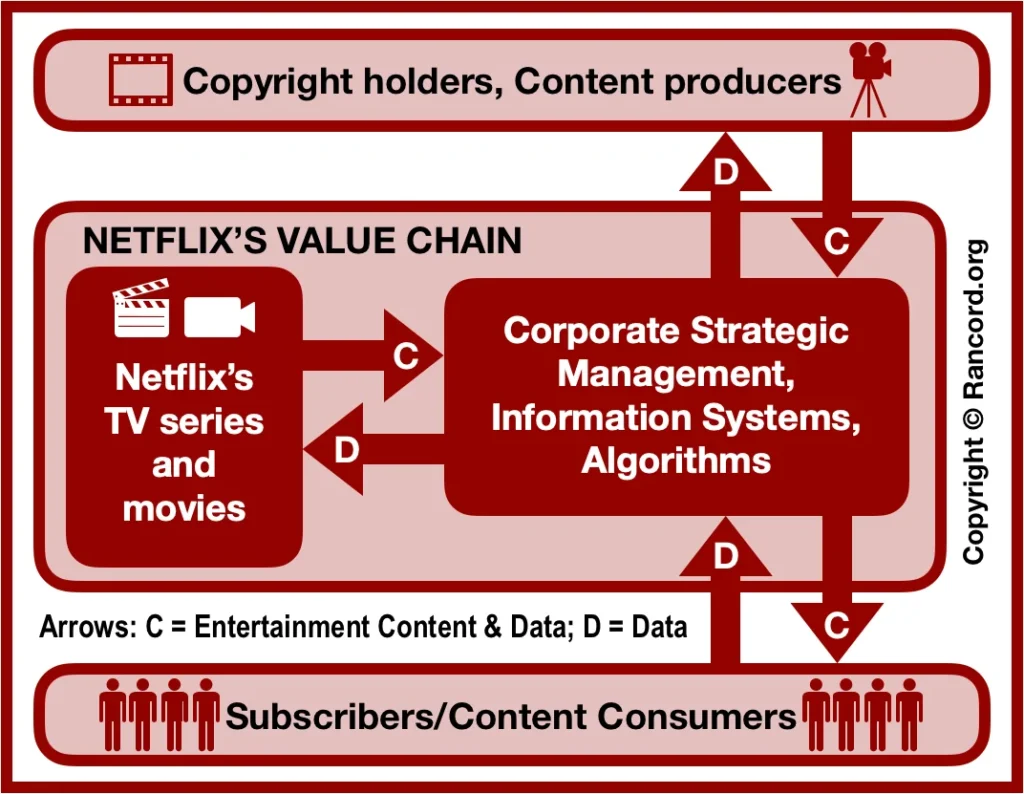
In addition, developing economies can heavily concentrate on infrastructure and affordability issues through strategic alliances with telecom providers. By partnering with companies in Southeast Asia and offering internet or mobile data plans with Netflix memberships, the streaming video service is able to reach a wider audience.
Where broadband penetration is poor or where subscriptions and standalone solutions are perceived as costly, this tactic works particularly well. Netflix can reduce acquisition expenses and ensure higher accessibility for its key customer’s zone by enhancing its services with present telecommunication networks.
This strategy avoids or at least mitigates problems like economic downturns and the issue of limited internet reach by relying on its competitive advantage—its strong technological infrastructure and restricted materials production as discussed in the VRIO study.
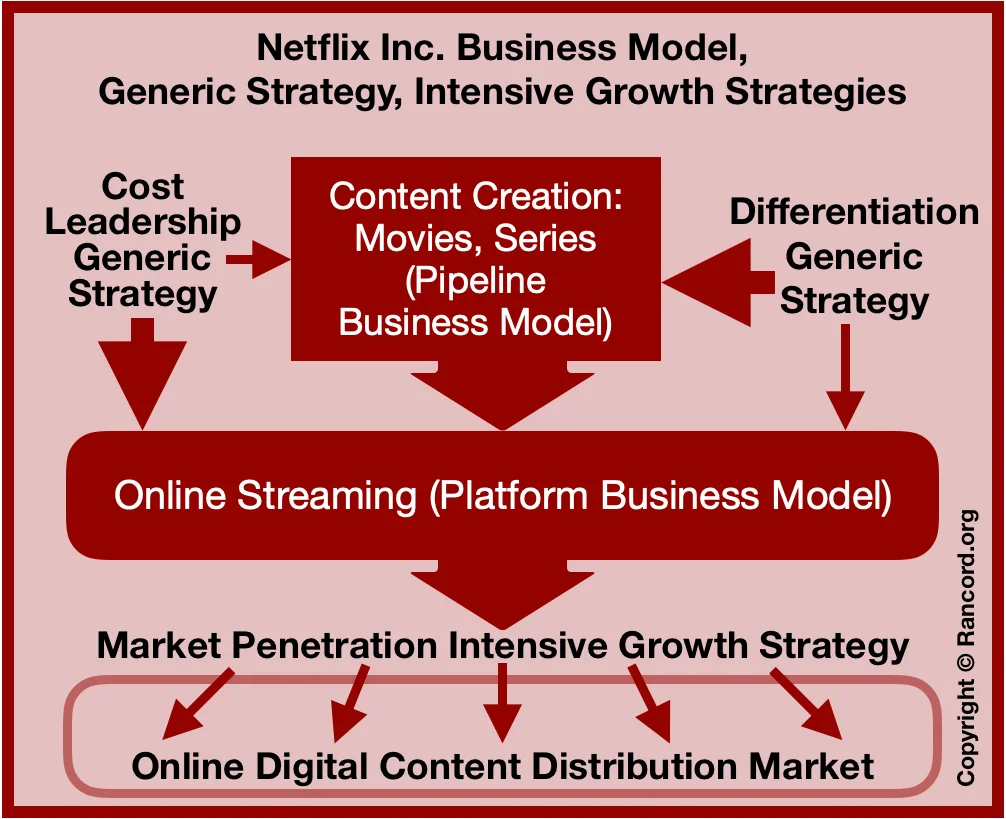
Implementation of Diversifying Distribution Channels Through Offline Accessibility:
One of Netflix’s other major growth strategies is to diversify its distribution channels so that users in areas with spotty or slow internet may still enjoy its content. Part of this plan is to use offline distribution networks, such as mobile networks, in conjunction with specific technologies, such as downloadable material, in order to reach more people.
Users in most developing nations have to deal with expensive internet data bills and extremely slow internet connections, making it difficult for them to enjoy smooth streaming of material. This Netflix function, which allows users to download video for offline watching, has the potential to be heavily promoted in those locations.
In addition, Netflix can cater to people with limited internet access by providing a library of content that can be accessed through apps that consume less bandwidth and are tailored for devices with lower specifications.
Users can save material onto devices via removable drives or local networks through partnerships with retail networks, which reduces the requirement for fast-speed connection to the internet.
Netflix may expand its reach in emerging nations by partnering with telecom carriers and hardware manufacturers to pre-install the app itself on smart devices, mobile phones, and televisions. Users who aren’t quite ready to commit to a new platform can be enticed with this method.
Differentiating Netflix from its competitors and bolstering its organizational power to offer content globally are both achieved through this strategy.
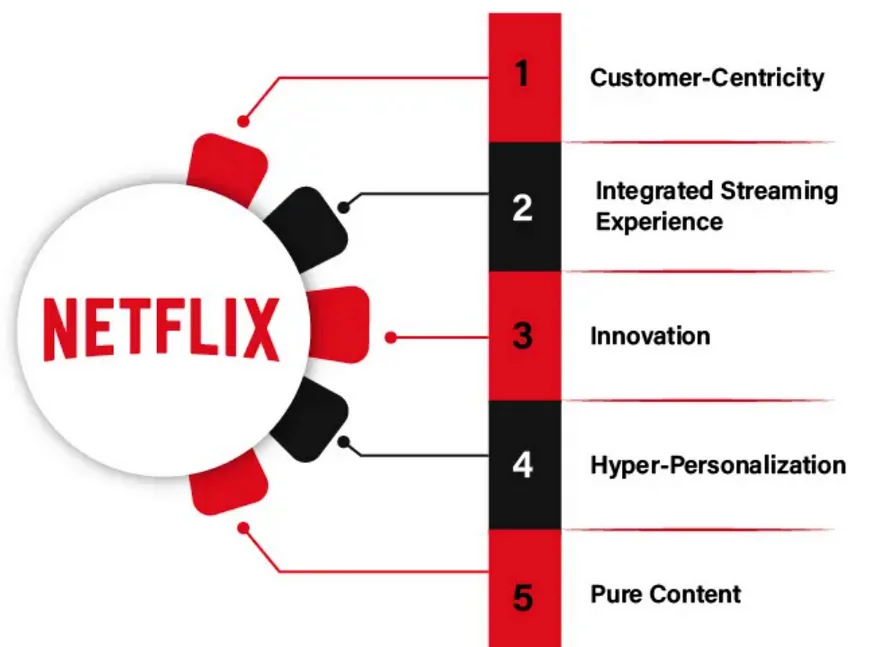
The corporation can enter new, unexplored markets and take use of its current presence in existing ones through the use of creative pricing tactics and strategic alliances. These approaches play to its strengthsits innovative content and cutting-edge technology while directing attention to external threats, ensuring continued global expansion and a competitive edge.
According to Smith-Rowsey, by using these tactics for worldwide expansion into emerging nations, Netflix may boost its bottom line, expand its brand reach, and gain an edge in growth-prone industries.
Conclusion:
The creative suggestion algorithm and exclusive material that Netflix offers contribute to its strong brand reputation, as shown by VRIO, YIPs, PESTEL, and BCG matrix assessments. The corporation has maintained its position as a world leader by adapting to local cultural norms, technology standards, and regulations.
Netflix must work with local producers, telecom companies, and governments to overcome regulatory hurdles and provide culturally rich content. Netflix has been able to assist in fulfilling local content quota and attract users in certain regions through its collaborations with organizations in places like India along with various European countries.
Additionally, by implementing this method, Netflix will be able to enhance its brand image in markets where local tastes are highly influential.
By forming strategic alliances with telecom companies, offering preloaded devices, offline watching choices, and other innovative services, Netflix is able to reach places with poor internet availability. By addressing infrastructure issues, such daring measures can boost consumer satisfaction and enhance Netflix’s reach.
Another factor that could influence Netflix’s capacity to adjust to customer needs is the availability of offline bundles or kiosk service plans.